
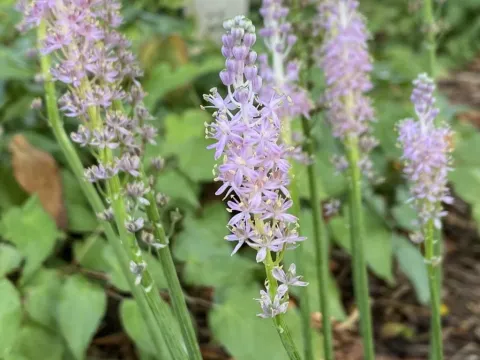
Barnardia
Barnardia
Planting of Barnardia bulbs is typically conducted in the autumn months. This timing allows the root system to establish itself before the ground freezes, ensuring better survival and bloom performance in the spring.
What the section contains


Barnardia
Choose a location with well-draining soil and exposure to partial sunlight. The bulbs should be placed at a depth of approximately 5 to 10 centimeters, maintaining a spacing of about 15 centimeters between individual specimens.
When selecting a site, ensure the soil is loose and aerated. Amending the soil with organic matter or sand can significantly improve the drainage profile, which is critical for the long-term health of the bulbs.
In colder climates, applying a layer of mulch over the planting site is essential. This protects the bulbs from extreme temperature fluctuations and helps retain moisture during the dormant season.
Propagation is most effective through the division of offset bulbs during the dormant period. This process allows gardeners to multiply their stock while keeping the plants healthy and ensuring consistent flower production.
Barnardia is a genus of bulbous perennial plants belonging to the Asparagaceae family. Native to East Asia, these plants are highly regarded for their decorative value in rock gardens and container arrangements.
The plant thrives in soil with a neutral to slightly acidic pH. It is sensitive to waterlogging, making proper drainage the most important factor in its cultivation. Heavy clay soils should be modified with grit or gravel.
A moderate climate is ideal for Barnardia. While the plant can tolerate some variation, it generally performs best in areas that do not experience extreme heat or severe frost without adequate protection.
Balanced fertilization during the active growth phase is recommended. Providing sufficient nutrients supports the development of lush foliage and vibrant flowers, which are the main appeal of this species.
Adequate sunlight is necessary for optimal growth. However, in regions with very intense sun, some light afternoon shade can prevent leaf scorch and prolong the blooming season of the plant.
Fungal diseases, specifically root and bulb rot, are the primary threats to Barnardia. These issues are almost exclusively caused by poor drainage or overwatering, which creates an environment conducive to pathogen growth.
Pests such as mites and bulb flies can cause significant damage to the bulbs. These pests often create entry points for secondary bacterial or fungal infections that can destroy the entire plant.
Maintaining a clean garden environment is crucial for disease prevention. Removing debris and ensuring good airflow between plants helps reduce humidity levels around the foliage and the soil surface.
Fungicide treatments, when applied as a prophylactic measure during planting, can be effective in protecting bulbs from common soil-borne pathogens found in commercial gardens.
Regular monitoring of the garden beds is advised to detect early signs of infestation. If damage is noted, prompt action, including the removal and destruction of infected bulbs, is necessary to prevent spreading.