
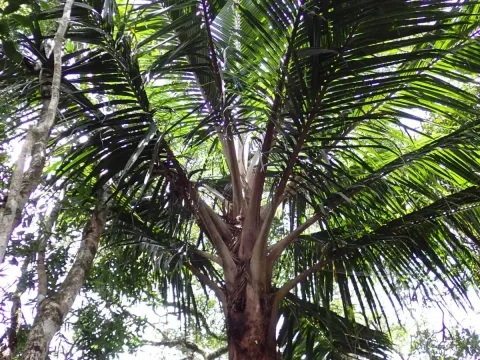
Ravenea
Ravenea
Ravenea is a genus of majestic palms belonging to the Arecaceae family. Native to Madagascar and the Comoros, these plants are highly regarded in both ornamental horticulture and botanical collections for their structural elegance.
What the section contains


Ravenea
The climate requirements for Ravenea are strictly tropical. They thrive in consistent temperatures between 22 and 28 degrees Celsius and are highly sensitive to frost, which can cause irreparable damage to the vascular system of the palm.
Soil conditions are critical for healthy growth. The substrate must be well-drained, porous, and nutrient-rich. A mix of organic loam, coarse sand, and perlite is often utilized to mimic the well-draining forest floors of their natural habitat.
Light management requires a balance. While mature plants can tolerate higher light intensity, young specimens need bright, filtered light to prevent leaf scorching. Excessive exposure to direct sun often leads to irreversible tissue dehydration.
Adequate irrigation is essential to maintain turgor pressure. Watering should be frequent enough to keep the soil consistently moist but never waterlogged, as poor drainage is the primary cause of root asphyxiation and subsequent plant decline.
Root rot remains the most severe threat to Ravenea palm vitality. It is typically caused by overwatering or poor drainage systems in the container, leading to the rapid decay of the root system and plant death.
Pests like spider mites are prevalent in environments with low humidity. They congregate on the undersides of leaves, causing yellowing and webbing that disrupts photosynthesis and reduces the plant's overall vigor.
Scale insects present a persistent challenge, appearing as hard, brown spots on the stems and leaf rachis. These pests extract sap directly from the vascular tissue, weakening the plant and encouraging the growth of sooty mold.
Mealybugs are also common, often hiding in the crown or the leaf axils. Their presence is marked by a cottony white substance, which necessitates immediate treatment with systemic insecticides or horticultural oils.
Maintaining a clean growing environment is the best prophylactic measure. Regularly wiping down leaves with a damp cloth prevents dust buildup and helps identify early signs of infestation before they reach epidemic levels.