
Rattan palm
Calamus rudentum
Description
Sowing dates
The rattan palm is propagated primarily through seeds in nursery settings. Seeds must be sown immediately after collection, as they rapidly lose viability if stored for long periods.
For successful germination, a loose and nutrient-rich substrate with high moisture levels is utilized. The optimal temperature for healthy growth ranges between +25°C and +30°C.
Young seedlings exhibit a slow growth rate and require shading from direct sunlight. Once they reach a height of 30–50 cm, they are transplanted into their permanent growing environment.
In natural habitats, propagation occurs through wildlife dispersing the fruits. In commercial agriculture, maintaining proper spacing between plants is essential for the development of high-quality stems.
The duration from seeding to the harvest of marketable timber is extensive, as rattan is a slow-growing forest species. Early maintenance includes regular weeding to ensure unimpeded development.
Growing requirements
Calamus rudentum belongs to the Arecaceae family and is a robust woody vine. The crop favors a tropical climate characterized by high humidity and consistent annual rainfall.
The plant thrives in well-drained, organic-rich soils. It typically develops within the forest understory, utilizing trees as structural supports for vertical growth.
Temperature stability is critical, as rattan palms are highly sensitive to frost. Their natural distribution and commercial cultivation are confined to equatorial and tropical latitudes.
Agrotechnology involves maintaining soil moisture while ensuring proper drainage to prevent root rot. Regular application of organic fertilizers is required to stimulate biomass accumulation.
Light requirements vary; while young plants prefer partial shade, mature specimens require more light as they reach the upper forest canopy to continue their development.
Yield
Yield is measured by the output of high-quality stems suitable for furniture manufacturing. A single palm cluster can produce multiple long stems over several decades.
Marketable stem lengths can reach 100–200 meters with diameters ranging from 1 to 5 cm. Wood quality is determined by fiber density, which depends on the age of the plant and growth conditions.
Commercial harvesting is selective: only fully matured stems are cut, leaving the growth point intact. This allows for sustainable harvest cycles on the same plantation.
Rattan holds significant economic value as the primary material for high-end furniture and woven goods. The stems are prized for their exceptional flexibility and tensile strength.
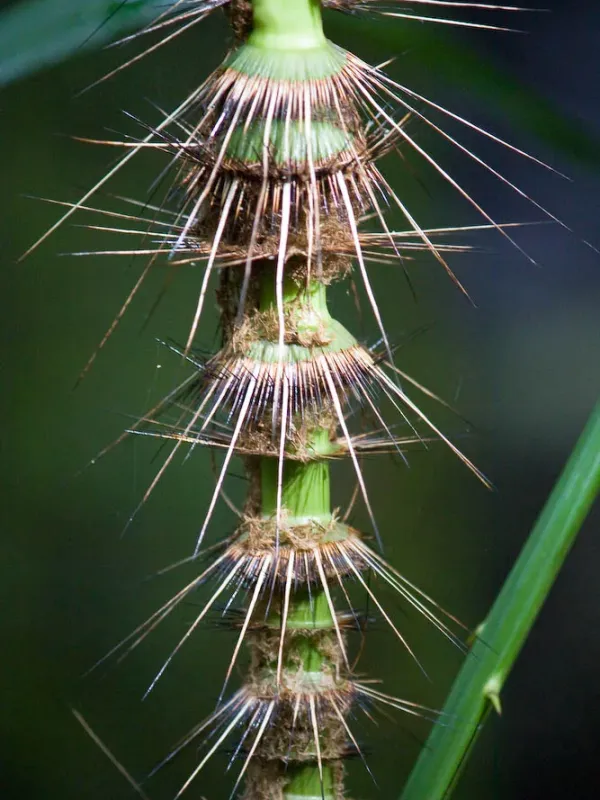
Post-harvest, stems undergo sophisticated processing, including the removal of thorny scales, heat treatment, and drying. This ensures the raw material is ready for artisanal and industrial use.
Main diseases and pests
Fungal infections caused by improper moisture management are the primary biological threats. Such infections can degrade stem quality and reduce the natural elasticity of the fibers.
Pests, such as weevil larvae, can damage growth points, significantly slowing development and impacting the overall quality of the raw material.
Mechanical damage during improper harvesting practices can expose the plant to secondary infections. Careful removal of spines is essential to preserve the integrity of the stem surface.
Uncontrolled logging in wild habitats has led to population declines in several regions, making sustainable management and forest protection essential components of agricultural strategy.
In intensive plantations, strict phytosanitary control is necessary. Prompt removal of infected plant parts helps contain the spread of diseases and ensures long-term orchard health.
Harvesting
Harvesting rattan is a labor-intensive process requiring specific skills due to the sharp thorns present along the stems. Specialized tools, including machetes, are used to extract vines from the canopy.
The optimal harvest time occurs when the stem reaches the required diameter and the surface exhibits a characteristic smooth and glossy appearance. Immature stems are too soft, while over-matured ones may become brittle.
Collected stems are bundled and transported for primary processing. Proper drying is crucial to allow the natural evaporation of excess moisture from the fiber structure.
Sorting is performed based on diameter and surface quality. High-grade rattan must be free from cracks, mold staining, and insect-related damage.
Effective harvest organization ensures the sustainable reproduction of the resource. Responsible forestry practices guarantee a consistent supply of premium materials over long operational cycles.