
Rhapis vidalii
Rhapis vidalii
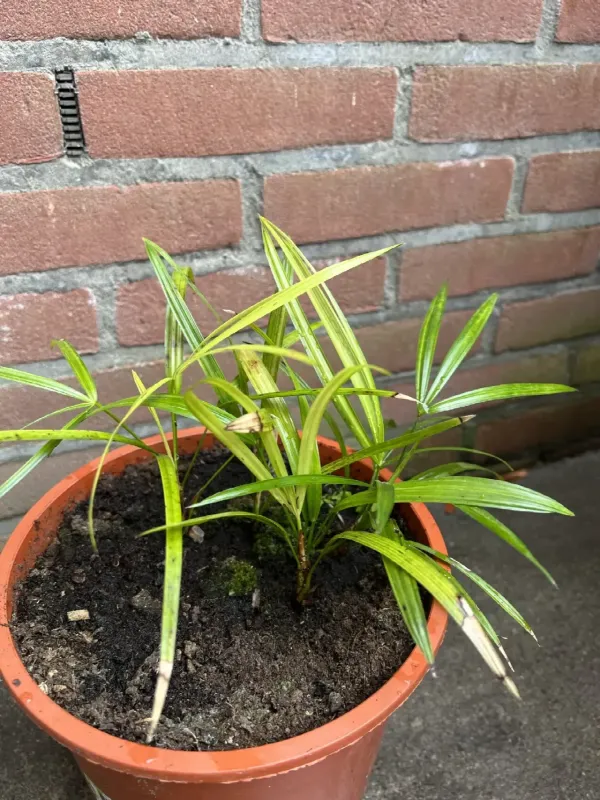
Description
Growing requirements
Rhapis vidalii is a perennial evergreen plant belonging to the Arecaceae family. This species is relatively rare and is highly valued for its compact growth habit and elegant foliage, which brings an exotic aesthetic to indoor spaces and landscape designs.
The natural habitat of this crop comprises tropical and subtropical regions of Southeast Asia, specifically the mountainous areas of Vietnam. The plant is adapted to growing in forest understory conditions, which determines its need for shade and protection from direct sunlight.
For successful development, the culture requires stable temperatures ranging from +18°C to +24°C. Rhapis vidalii is highly sensitive to sudden temperature fluctuations and cold drafts, making it best suited for indoor pot cultivation or greenhouse environments in temperate climates.
The planting substrate must be loose, nutrient-rich, and possess excellent drainage properties. An optimal mix includes turf soil, humus, peat, and sand to ensure oxygen reaches the root system, as these roots are intolerant of stagnant water.
The primary use of this plant is in ornamental gardening and the interior decoration of residential and commercial spaces. Due to its ability to thrive in limited container volumes and its slow growth rate, the Rhapis is an ideal candidate for long-lasting decorative arrangements.
Main diseases and pests
The main pests threatening this palm include scale insects, spider mites, and mealybugs. These insects multiply rapidly in low-humidity indoor environments, making regular inspection of the leaf surfaces essential for maintaining plant health.
Diseases in this crop are most frequently caused by improper watering practices. Over-saturation of the substrate often leads to root and stem rot, which can kill the plant quickly. Strict control over soil moisture and high-quality drainage systems are vital.
Leaf spotting, often caused by fungal infections, is a common issue in poorly ventilated areas. Preventive measures include keeping the leaves clean by wiping them with a damp cloth and ensuring consistent airflow around the plant foliage.
Micronutrient deficiencies often manifest as chlorosis or dry, necrotic leaf margins. In such cases, the application of specialized complex fertilizers for palms during the active growing season is recommended, strictly adhering to the manufacturer's dosage.
To maintain plant vitality, it is crucial to avoid overwatering during the winter months when the plant's metabolism slows down. Transitioning to moderate irrigation during the colder season helps prevent the proliferation of pathogens within the root zone.