
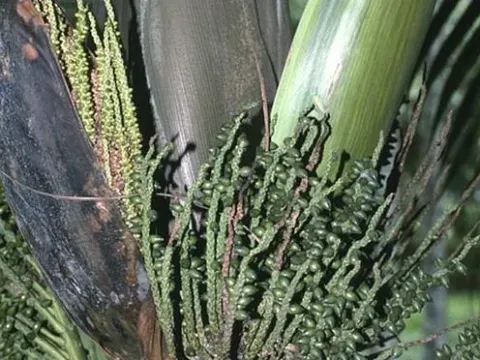
Dictyosperma
Dictyosperma
Dictyosperma is a monotypic genus of flowering plants in the palm family, Arecaceae. Native to the Mascarene Islands in the Indian Ocean, the species Dictyosperma album is widely recognized for its robust trunk and beautiful pinnate foliage.
What the section contains

Dictyosperma
This palm thrives in tropical climates characterized by high ambient humidity and consistently warm temperatures. It is highly intolerant of cold, making it suitable only for outdoor growth in tropical zones or controlled environments like greenhouses.
A successful cultivation strategy requires a well-draining, nutrient-rich soil medium. Maintaining optimal soil moisture is essential; the roots must never stand in water to prevent the development of physiological stress or rot.
Bright, indirect light is necessary for healthy growth. While mature specimens can handle more direct sun, young plants are susceptible to leaf scorch and should be protected during peak sun hours.
In terms of economic and practical use, Dictyosperma is primarily utilized for its aesthetic value. It is a premium choice for tropical landscaping, botanical gardens, and interior design where a regal, exotic look is desired.
Common pests affecting Dictyosperma include spider mites, mealybugs, and scale insects. These pests often congregate on the undersides of leaves, draining sap and leaving behind honeydew that can lead to sooty mold growth.
Leaf spot diseases, often fungal in origin, are frequent threats when air circulation is poor. These spots can disfigure the palm and, if untreated, cause significant defoliation and weakness.
Root rot is perhaps the most dangerous issue, typically caused by overwatering or poor drainage systems. Once the root system is compromised, the palm's vigor declines rapidly, often resulting in systemic decay.
To prevent these threats, growers should prioritize sanitary practices, such as removing dead or dying fronds and ensuring proper spacing between plants to maximize airflow.
Chemical control involving insecticidal soaps or specialized fungicides should be used judiciously, following a regular monitoring schedule to catch and address potential infestations before they become unmanageable.