
Pygmy date palm
Phoenix roebelenii O'Brien
Description
Sowing dates
Propagation of the Pygmy date palm is primarily achieved through seeds. For successful germination, seeds should be sown in a sterile, well-draining potting medium consisting of peat and perlite.
The optimal temperature for seed germination ranges between 25 and 28 degrees Celsius. Providing bottom heat is highly recommended to stimulate faster sprout development.
Germination is often slow and uneven, typically requiring anywhere from one to three months. Consistent moisture levels must be maintained throughout this period to prevent embryo desiccation.
Once the first true leaf appears, seedlings should be carefully transplanted into individual pots. Great care must be taken not to damage the delicate primary root system during this stage.
As the plant matures, the growth rate remains relatively slow. Patience is essential, as the Pygmy date palm focuses on establishing its root structure in the initial years.
Growing requirements
The Pygmy date palm (Phoenix roebelenii) belongs to the Arecaceae family and is native to the tropical forests of Southeast Asia, specifically regions in Laos, Vietnam, and China.
It thrives in bright, indirect light. While the palm can tolerate some morning sun, harsh direct midday light can scorch the delicate, arching fronds.
The soil should be rich in organic matter and possess excellent drainage capabilities. A slightly acidic to neutral substrate is ideal for healthy leaf color and root vigor.
Temperature-wise, the plant prefers a range of 20 to 25 degrees Celsius. In the winter months, a cooler period with temperatures around 16–18 degrees Celsius helps the plant rest.
Maintaining high humidity is crucial, especially in indoor environments. Regular misting or the use of pebble trays with water can significantly enhance the health of the foliage.
Yield
The Pygmy date palm is cultivated primarily as an ornamental specimen rather than an agricultural crop. Its small, fibrous fruit is not considered suitable for commercial consumption.
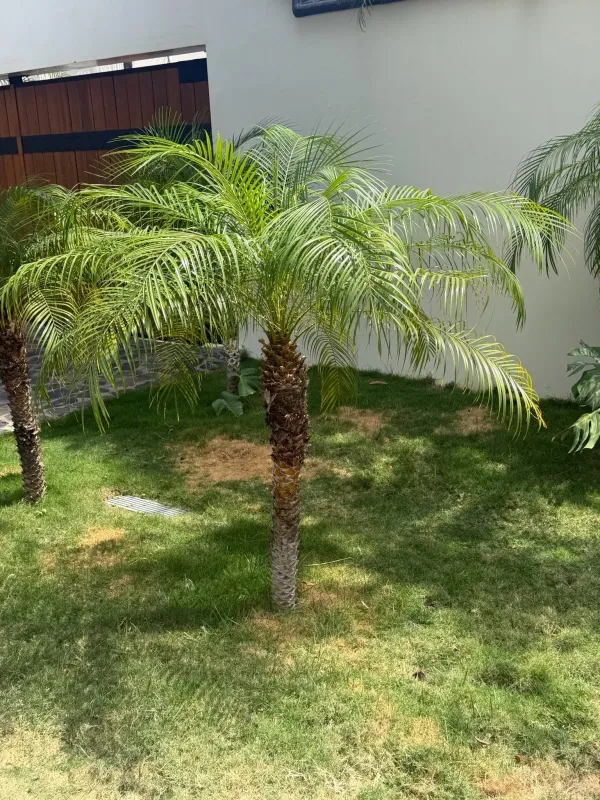
Its primary use is in landscaping and interior design, prized for its elegant, slender trunk and fine-textured, feathery green leaves that create a tropical aesthetic.
In warmer climates, it serves as a staple element in gardens and outdoor courtyards, where it is valued for its compact size compared to other date palm species.
Indoor gardeners appreciate this palm for its ability to thrive in containers, making it a long-term investment for residential and office greening projects.
The aesthetic value of the plant increases with age as the trunk becomes more distinct, often making mature specimens highly sought after in the nursery trade.
Main diseases and pests
Common pests include spider mites and scale insects, which are particularly prevalent in environments with low humidity and poor ventilation.
Root rot is the most common pathology associated with overwatering or poorly draining soil, leading to yellowing leaves and potential plant death.
Preventative measures include keeping the fronds clean by wiping them with a damp cloth and ensuring that the top layer of soil dries out slightly between waterings.
When pests are detected, targeted application of neem oil or systemic insecticides is recommended to manage the population without harming the plant.
- Maintain high humidity to deter spider mites.
- Ensure a robust drainage system to prevent root infection.
- Periodically inspect the undersides of leaves for signs of infestation.