
Vincetoxicum auriculatum
Vincetoxicum auriculatum
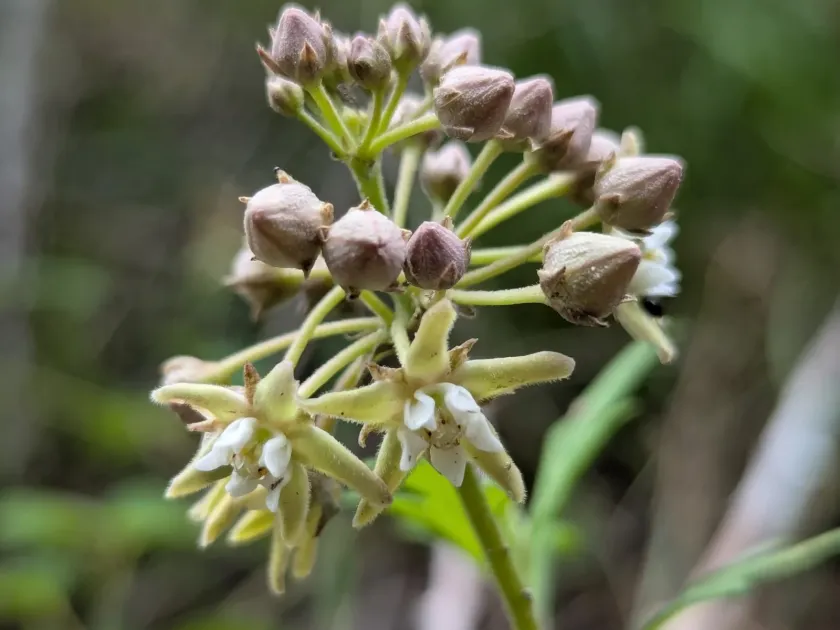
Description
Sowing dates
Seeds of Vincetoxicum auriculatum should be sown primarily in the spring once soil temperatures reach 12–15 degrees Celsius. Stratified seeds are recommended to ensure higher germination rates.
Sowing depth should be 1–2 centimeters. For commercial production, row planting with 45–60 centimeters between rows is advised to allow the vines sufficient space to climb.
Seedlings typically emerge within 2–3 weeks, provided there is adequate moisture in the topsoil layer. The plant shows slow initial growth during its first year.
The ideal time for transplanting seedlings into the field is late May, once the risk of late spring frosts has passed completely.
In southern climates, winter sowing is possible; however, this requires surface mulching to protect the seeds from freezing and soil erosion.
Growing requirements
Vincetoxicum auriculatum belongs to the Apocynaceae family and is a perennial climbing vine. It thrives best in sunny areas with plenty of exposure to light.
The soil should be light, sandy loam, or loamy with excellent drainage. Waterlogging must be avoided as it leads to root rot and plant decline.
The optimal pH range is between 6.0 and 7.0. Soil preparation should include the application of organic matter like compost to improve nutrient status.
The plant is highly drought-tolerant, thanks to a deep and robust root system capable of accessing moisture deep within the soil profile.
Providing structural support such as trellises or poles is crucial, as the plant exhibits strong climbing characteristics that necessitate vertical growth.
Yield
Yield depends heavily on the age of the plantation and management practices. Maximum production is typically achieved from the third or fourth year onwards.
On average, one hectare can produce between 1.5 and 3 tons of dried medicinal raw material, depending on irrigation and nutrient inputs.
The roots are the most valuable part, with the concentration of bioactive compounds increasing towards the end of the season before dormancy.
To maximize yields, maintain clean fields by removing weeds regularly, especially during the establishment phase in the first few years.
Harvesting is usually timed based on the intended use of either the foliage or the roots, coinciding with the peak biological activity of the plant.
Main diseases and pests
Common diseases include fungal infections such as root rot, which are often exacerbated by poor irrigation management and excessive soil humidity.
Pests such as aphids may attack young shoots and leaves, reducing plant vigor and potentially affecting the overall chemical quality of the yield.
Implementing crop rotation and avoiding continuous cultivation on the same plot for more than 5 years is the best way to prevent soil-borne pathogens.
During periods of high humidity, powdery mildew may appear, necessitating the use of broad-spectrum fungicides if an outbreak occurs.
Regular field scouting is essential to identify early signs of stress or infestation, allowing for prompt intervention to protect the crop.
Harvesting
Roots should be harvested in autumn, when the aerial parts begin to turn yellow and die back, signaling nutrient translocation into the root system.
Mechanical harvesting using specialized root lifters or plows set to a depth of 30–40 centimeters is the most efficient method for large fields.
Raw material must be thoroughly cleaned of soil, washed with clean water, and processed for drying in well-ventilated areas or industrial driers.
Drying temperatures must not exceed 50–60 degrees Celsius to preserve the essential alkaloids and glycosides responsible for the plant's medicinal properties.
Once dried, the product should be stored in breathable containers, such as textile bags or kraft paper, in a dry, dark, and climate-controlled storage space.