
Tweedia birostrata
Tweedia birostrata
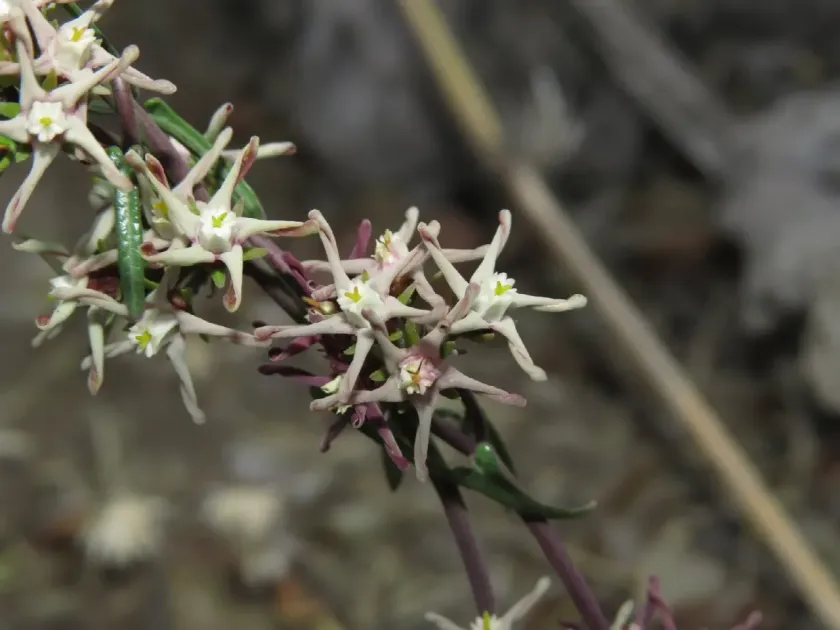
Description
Sowing dates
Tweedia birostrata, a member of the Apocynaceae family, is a decorative plant often cultivated as an annual in temperate regions. Seeds should be sown in a protected environment during late winter to allow for a sufficient vegetative period before the final outdoor planting.
For successful germination, a soil temperature of 20–22°C must be maintained. The substrate should be light and well-drained, as excessive moisture can lead to seed rotting during the early stages of development.
Transplanting seedlings into individual containers is recommended after the emergence of the second pair of true leaves. The growth rate is initially slow, which necessitates providing adequate light to prevent leggy and weak stems.
Acclimatization of seedlings before moving them to open ground is a critical stage. This process should span at least two weeks, gradually exposing the plants to outdoor conditions to prevent transplant shock.
Planting in the open field should only occur once the risk of frost has entirely passed. Sites should be sunny and protected from harsh winds, with proper spacing to ensure adequate airflow and root development.
Growing requirements
Tweedia thrives in well-drained, sandy, or loamy soils with a neutral to slightly acidic pH. Heavy clay soils are generally unsuitable due to the risk of poor drainage and subsequent root damage.
This plant is heat-loving and sensitive to temperature drops. An optimal temperature range for growth is 18–25°C. Prolonged exposure to temperatures below 10°C will significantly inhibit growth and floral development.
Regular irrigation is required during the active growth phase. However, it is essential to avoid waterlogging the root zone, as this species is particularly susceptible to root rot in poorly drained soil.
Fertilization with a balanced complex fertilizer is recommended during the flowering season. Focusing on potassium-rich formulas can help enhance color intensity and stem strength throughout the blooming period.
Soil management includes regular weeding and light cultivation to improve aeration. Mulching the base of the plant can help maintain soil moisture stability and suppress weed growth effectively.
Main diseases and pests
Common pests affecting Tweedia include aphids and spider mites, which tend to proliferate in hot and dry conditions. Regular scouting of the foliage is necessary to detect and mitigate infestations early.
Fungal pathogens such as root rot and powdery mildew can occur if air circulation is poor or if the irrigation regime is unbalanced. Fungicidal treatments and proper spacing are primary preventative measures.
Crop rotation is vital to prevent the buildup of soil-borne pathogens specific to the Apocynaceae family. Avoiding the planting of Tweedia where other related species were recently cultivated is recommended.
Biological pest control is effective during the early stages of infestation. If pest pressure is high, professional-grade systemic insecticides may be required to protect the crop's aesthetic value.
Sanitation practices, such as removing damaged plant material, are essential for maintaining the overall health of the crop. This prevents the spread of infection among the plants in the field or greenhouse.
Harvesting
Harvesting for floral use is typically performed when flower buds are showing color but have not yet fully opened. This stage ensures the best post-harvest vase life for the cut stems.
Care must be taken when handling the stems, as they contain a milky sap that may cause skin irritation. Immediately placing cut stems in warm water after a fresh diagonal cut helps to seal the latex and maintain turgidity.
Seed collection requires waiting until the seed pods are fully mature. Timing is crucial because the pods can split easily, leading to seed dispersal before the harvester can collect them.
For container-grown plants, harvesting focuses on seed collection or preparing the plant for overwintering by moving it to a sheltered location before the first frost arrives.
Tweedia birostrata is a specialized niche crop valued by professional florists for its unique appearance. Proper post-harvest handling is the most important factor in ensuring the product reaches the market in high quality.