
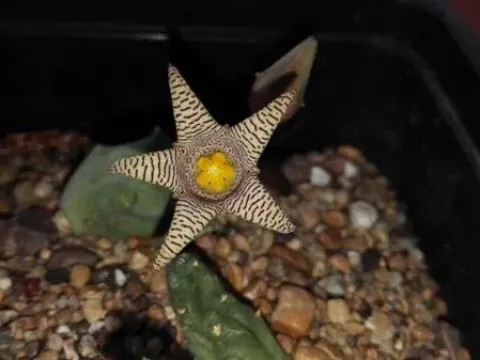
Piaranthus
Piaranthus
Piaranthus is a genus of small succulent plants belonging to the family Apocynaceae, specifically the subfamily Asclepiadoideae. These plants are known for their prostrate, clump-forming stems that are often four-angled and tuberculate, giving them a distinct textured appearance.
What the section contains


Piaranthus
Originating from the arid regions of Southern Africa, Piaranthus species are perfectly adapted to extreme environmental stress. In their natural habitat, they are found in crevices or protected by rocks, thriving in environments with low rainfall and high heat exposure.
For cultivation, the primary requirement is a highly porous, gritty soil mix. Growers often use a combination of pumice, perlite, and coarse sand mixed with a minimal amount of organic matter to prevent root rot and ensure rapid drainage.
Lighting should be bright but filtered. While these succulents tolerate heat well, intense direct sun can lead to sunburn on the delicate epidermis of the stems. A spot on a sunny windowsill that avoids the harsh afternoon sun is generally ideal for indoor collections.
Watering protocols must reflect the plant's seasonal cycle. During the active growth phase, water sparingly once the soil has completely dried out. In the dormant winter months, water should be significantly reduced or suspended to prevent fungal issues.
The most common threat to Piaranthus is rot, primarily caused by overwatering or poor drainage. Excess moisture in the soil leads to rapid decomposition of the roots and stems, often making the plant unsalvageable if not caught early enough.
Mealybugs are the most frequent insect pests. These small white insects hide in the crevices between the stems, sucking the sap and weakening the plant. Regular inspection is crucial to catch infestations before they spread across the entire clump.
Spider mites can also become a problem, particularly in environments with low humidity. Their presence is indicated by fine webbing and small discolored spots on the stem, which can eventually lead to tissue scarring.
Root mealybugs can also infest the subterranean parts, which is difficult to detect. Stunted growth and an inability to recover after watering are typical signs that the root system has been compromised by these pests.
Good hygiene in the collection, including cleaning tools and isolating new plants, is the best strategy for managing and preventing these biological threats.