
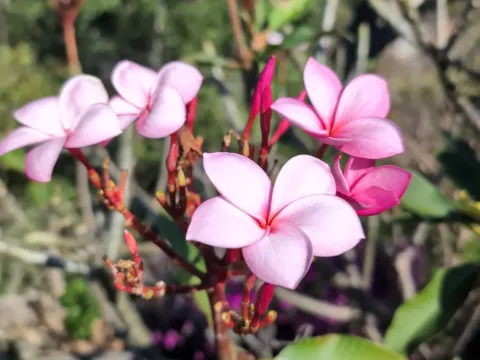
Plumeria
Plumeria
Plumeria is a genus belonging to the Apocynaceae family, native to the tropical regions of the Americas. Known for their highly fragrant flowers, these plants grow as deciduous trees or shrubs, thriving in regions with distinct wet and dry seasons.
What the section contains


Plumeria
Climatic requirements for successful cultivation center on high heat and ample sunlight. Plumeria plants are sensitive to cold and require protection from temperatures below 10°C, making them suitable for tropical outdoor cultivation or controlled greenhouse environments in temperate zones.
Soil management is essential for this culture. The ideal substrate must be coarse-textured and free-draining to prevent waterlogging. Excessive moisture in the root zone is the primary cause of plant death, as it leads to rapid decomposition of the fleshy, tuberous roots.
Agricultural techniques emphasize the importance of the dormant period. During winter or periods of low light, irrigation should be strictly reduced to prevent the plant from succumbing to rot, allowing the plant to enter a necessary physiological rest phase.
The economic use of Plumeria is primarily concentrated in the ornamental trade and the floral essence industry. The flowers are harvested for their essential oils, which are highly valued in luxury perfumery and traditional medicine applications worldwide.
Root rot and stem rot represent the most significant threats to Plumeria vitality. These fungal diseases are almost exclusively caused by overwatering or poor drainage systems in the potting media, necessitating a preventative approach centered on soil aeration.
Insect pests, including spider mites, whiteflies, and mealybugs, frequently target these plants, especially in indoor greenhouse settings. They feed on sap, leading to stunted growth and damaged foliage if left unchecked by integrated pest management programs.
Management of these threats involves frequent monitoring and the application of horticultural oils or specialized insecticides. Maintaining good airflow around the canopy helps reduce the humidity levels that favor both fungal development and insect outbreaks.
Black tip fungus is another condition occasionally observed in Plumeria, causing the tips of new growth to blacken and die. It is often linked to physiological stress caused by drastic fluctuations in ambient temperature and humidity levels.
Safety during handling is a key operational requirement. The milky latex sap is an irritant, and proper personal protective equipment must be worn during pruning and maintenance to avoid skin and eye irritation, ensuring the long-term safety of the agricultural labor force.