
Plumeria stenopetala
Plumeria stenopetala
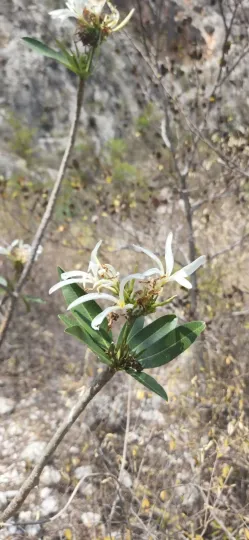
Description
Growing requirements
Plumeria stenopetala is a unique species belonging to the Apocynaceae family. Known for its distinctively narrow, star-like petals, this plant is a popular choice among collectors of exotic tropical flora due to its delicate appearance and fragrant blooms.
Native to the tropical regions of the Americas, this species thrives in warm, humid environments. It requires significant solar exposure to maintain vigorous growth and to promote consistent flowering throughout the active vegetation season.
The crop demands a well-draining soil mixture to prevent moisture-related stress. In a controlled environment, a blend of organic matter, sand, and perlite is recommended to ensure optimal root aeration and to avoid the accumulation of standing water.
Cultivation practices involve regular fertilization with high-phosphorus fertilizers during the growth phase to enhance blooming. Water management is critical; during cooler seasons, the plant enters a semi-dormant state and requires significantly less moisture to survive.
Economically, the plant is primarily cultivated as a high-value ornamental. Its aromatic flowers are highly sought after in the luxury fragrance industry, where they are distilled for their unique, sweet floral oils used in perfumes and high-end skincare products.
Main diseases and pests
The plant is frequently targeted by common greenhouse pests such as spider mites, mealybugs, and whiteflies, which require immediate intervention with systemic insecticides or neem oil.
Fungal pathogens represent the main biological threat, particularly root rot (Phytophthora), which can occur rapidly if the soil medium lacks proper drainage or if the plant is overwatered during the dormant stage.