
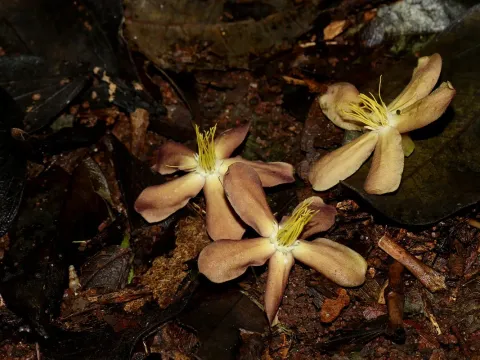
Pleioceras
Pleioceras
Pleioceras is a genus of flowering plants belonging to the Apocynaceae family. These shrubs or small trees are native to tropical regions of Africa, where they thrive in humid and warm environments.
What the section contains

Pleioceras
In terms of habitat, the plant prefers fertile, well-draining soils that maintain constant moisture without becoming waterlogged. High organic content in the soil significantly improves the plant's growth rate.
The climate requirements for Pleioceras are strict; it requires a tropical or sub-tropical temperature range, ideally staying between 20°C and 30°C throughout the year. It does not tolerate frost or cold drafts.
Regarding light, it thrives in bright, filtered light. While it can withstand partial shade, consistent exposure to indirect sunlight helps maintain the plant’s health and supports its natural development.
Cultivation practices involve mulching to preserve soil moisture and routine applications of balanced NPK fertilizers during the growing season to ensure robust stem development and foliage density.
Pleioceras is characterized by the presence of latex in its tissues, which often acts as a natural deterrent against many generalist insect pests, reducing the need for intensive chemical control.
However, growers should remain vigilant for sap-sucking pests like aphids and spider mites, especially when the plant is grown in controlled environments like greenhouses where natural predators may be absent.
Fungal pathogens represent the most significant threat to this genus. Root rot, induced by overly compacted or poorly drained soil, is the most common cause of plant failure in horticultural settings.
Powdery mildew can also affect the foliage during periods of high humidity combined with stagnant air. Maintaining proper spacing between individual plants is a critical preventive measure.
Integrated pest management (IPM) strategies, including biological control and careful sanitation of the growing area, are recommended to keep the plants healthy and productive throughout their lifecycle.