
Piaranthus punctatus
Piaranthus punctatus
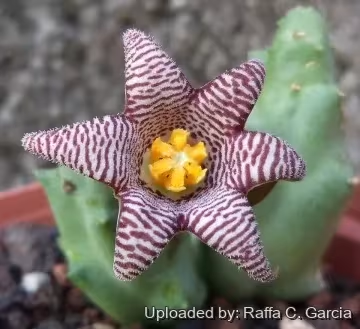
Description
Growing requirements
Piaranthus punctatus is a small, trailing succulent belonging to the Apocynaceae family. Native to the arid regions of Southern Africa, this plant has evolved to thrive in harsh environments, characterized by its prostrate stems and unique, star-shaped flowers.
To cultivate it successfully, provide bright, filtered light. While it appreciates sunshine, intense direct summer heat can damage the epidermis. An east-facing or slightly shaded south-facing window provides the ideal balance for optimal photosynthesis.
Temperature requirements are standard for succulents: warm summer days between 22°C and 28°C. During the winter dormancy, the plant requires cooler temperatures (10–14°C) to simulate natural seasonal cycles, which is essential for triggering spring bloom.
The substrate must be highly mineralized and porous. Use a mixture consisting of 50% inorganic material, such as perlite, pumice, or fine gravel, mixed with a light, airy cactus soil. This prevents the substrate from retaining too much water around the roots.
Watering should be sparse. During the growing season, allow the soil to become completely dry for several days before applying water again. During winter, reduce watering significantly, or stop altogether if the ambient temperature is consistently cool.
Main diseases and pests
Root rot is the most critical threat to Piaranthus punctatus. This condition typically arises from improper watering schedules or the use of a dense, moisture-retentive soil mix, leading to the rapid decay of the plant's succulent tissues.
Mealybugs are the most common pest found on this species. They aggregate in the junctions between segments, sucking sap and weakening the plant. Systematic insecticides or regular application of rubbing alcohol on affected areas can control these infestations.
Spider mites can thrive in very dry indoor environments, especially near heating units. These pests cause discoloration and scarring on the stems. Increasing airflow and occasionally cleaning the plant surface can help deter them from establishing colonies.
Scale insects may attach themselves to the stems, appearing as hard, dark bumps. If present, they should be removed manually or treated with horticultural oil, ensuring that the oil does not damage the sensitive cuticle of the plant.
Fungal pathogens often invade the plant through wounds or areas affected by moisture stress. Maintaining high air circulation around the plant is the best preventative measure against botrytis and other fungal diseases common in the Apocynaceae family.