
Pleiocarpa
Pleiocarpa
Pleiocarpa is a genus of evergreen trees and shrubs belonging to the Apocynaceae family. These plants are native to the tropical regions of Africa, where they thrive in the humid conditions of rainforests.
What the section contains

Pleiocarpa
The plant requires specific soil conditions, typically deep, well-draining forest soils rich in organic matter. Its root system is adapted to environments where competition for nutrients is high.
Climatically, Pleiocarpa is highly dependent on high temperatures and consistent humidity levels throughout the year. It does not tolerate frost or cold stress, as its metabolic processes are optimized for equatorial heat.
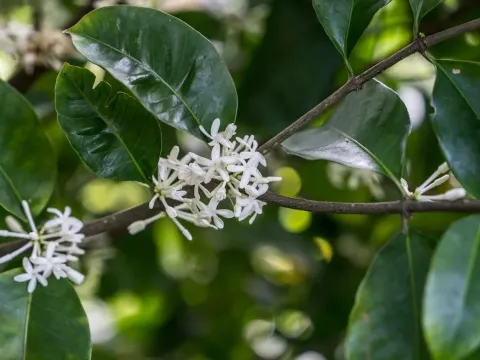
The morphology of the genus includes opposite leaves and inconspicuous flowers, often followed by fleshy, brightly colored fruits. This reproductive strategy is typical for species adapted to the dense understory of tropical forests.
The economic and research importance of Pleiocarpa lies primarily in its phytochemical profile. The plant is studied for its significant content of indole alkaloids, which have potential applications in modern pharmacology and traditional medicine.
Pleiocarpa is susceptible to various tropical pathogens, particularly fungi that thrive in humid environments. Root rot and leaf spot diseases are common issues if drainage is inadequate or air circulation is poor.
In terms of pests, the plant is targeted by a range of tropical insects, including borers and sap-sucking pests that attack young tissue. Management requires monitoring to maintain the health of these sensitive botanical specimens.