
Philibertia
Philibertia
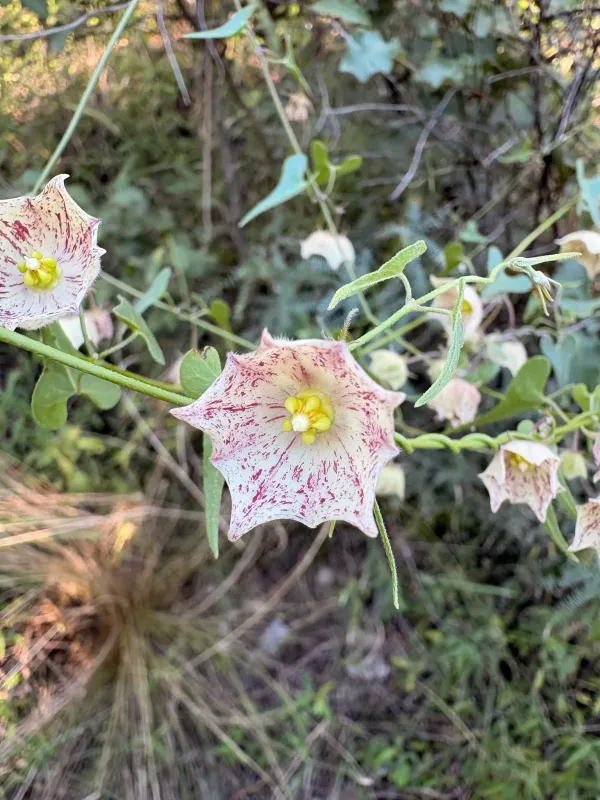
Description
Sowing dates
Philibertia is a genus within the Apocynaceae family, primarily consisting of perennial vines and semi-shrub species native to the Americas. Propagation is typically achieved through seeds, which feature specialized appendages allowing for efficient wind dispersal. In an agricultural or horticultural setting, seeds are sown in a light, well-draining substrate under controlled greenhouse conditions.
The ideal time for sowing is during the spring, when increasing daylight hours provide the necessary energy for germination and initial growth. Maintaining a constant temperature, ideally between 22 and 26 degrees Celsius, is essential for successful seedling emergence. The substrate should be kept consistently moist but never waterlogged during this stage.
For sowing, a sterile mix of peat and perlite is recommended to promote root development while ensuring aeration. Seeds should be sown at a shallow depth, barely covered with substrate, to ensure they receive sufficient light. Utilizing a propagator or covering the containers with clear plastic helps maintain the required humidity levels.
Seedlings should be pricked out into individual pots once they develop their first set of true leaves. Transitioning the young plants requires careful acclimation to environmental conditions to prevent shock. During this phase, it is crucial to avoid direct, intense sunlight which can scorch the delicate foliage of the young vines.
Consistent care during the early growth stages is vital for the establishment of a healthy root system. Balanced, water-soluble fertilizers applied in diluted concentrations can help promote vigorous growth. Regular monitoring ensures that any issues with seedling health are addressed before they impact the entire crop development.
Growing requirements
Philibertia thrives in environments with bright, indirect sunlight, mimicking the light filtration found in its natural tropical habitats. Direct exposure to intense sun, particularly during peak hours, can damage leaves and reduce the plant's overall vitality. Insufficient light, however, leads to weak, leggy stems and poor flowering performance.
Well-draining soil is a fundamental requirement for this genus, as Philibertia species are highly susceptible to root rot caused by stagnant water. A porous potting mix, often enriched with organic matter, provides the necessary balance of moisture retention and oxygen flow required for healthy root function.
Temperature management is critical for the survival of these tropical plants. They grow best within a range of 20 to 28 degrees Celsius. Exposure to temperatures below 10 degrees Celsius can cause severe stress, leading to dormancy or even death. During winter months, it is essential to move the plants to a sheltered, warmer environment.
Humidity levels play a significant role in the health of Philibertia. Native to moist environments, these plants benefit from higher ambient humidity, which can be achieved through regular misting or the use of humidifiers. Low humidity often leads to dry leaf tips and increased susceptibility to pests like spider mites.
Irrigation should be managed based on the drying rate of the substrate. Watering only when the top few centimeters of soil become dry is a safe practice. During the plant's resting period, water intake should be significantly reduced to prevent potential issues related to overwatering and fungal development.
Main diseases and pests
Spider mites and mealybugs are the most common pests affecting Philibertia. These small sap-sucking insects can rapidly infest the plant, causing leaf deformation and decline. Integrated pest management, including the use of neem oil or targeted systemic insecticides, is recommended to control these outbreaks effectively.
Root rot remains the most serious threat, typically resulting from poor soil aeration and overwatering. If symptoms appear, such as wilting or base discoloration, the plant should be inspected and repotted into fresh, dry substrate after pruning any damaged roots. Fungicidal treatments may also be necessary to stabilize the plant.
Powdery mildew can occur if the plants are kept in environments with poor air circulation and high humidity. This fungus manifests as a white, dusty coating on the leaves and stems. Improving ventilation and treating the plants with appropriate fungicides will help mitigate the impact of this fungal disease.
Chlorosis, or yellowing of the leaves, is often a sign of nutrient deficiency, specifically in iron or magnesium. Adjusting the fertilization regime or applying a foliar spray containing essential micronutrients can often reverse the symptoms. Regular soil testing helps maintain the proper balance of nutrients for the plant.
Proactive care involves routine inspection of the plants, particularly the underside of leaves and along the stems where pests often hide. Maintaining overall plant hygiene, such as removing dead foliage, significantly reduces the risk of pest and disease problems, ensuring the long-term health of the Philibertia specimens.