
Picralima
Picralima
Picralima (Picralima nitida) is a member of the Apocynaceae family. This evergreen tree is native to the tropical rainforests of West and Central Africa, where it has long been recognized for its ecological role and medicinal potential in local communities.
What the section contains

Picralima
The plant thrives in humid tropical environments, requiring consistently warm temperatures and high levels of rainfall. It is best cultivated in deep, well-drained loamy soils that are rich in organic matter to support its robust growth cycle.
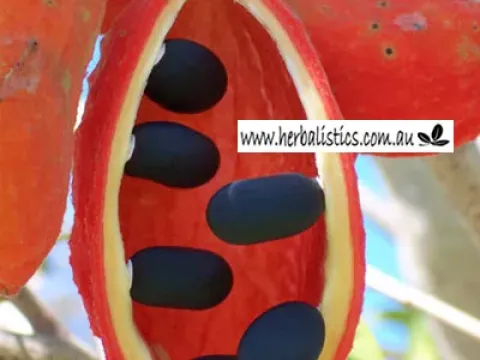
Botanically, Picralima is characterized by its glossy leaves and large, distinctive fruits. These fruits resemble elongated melons and contain numerous seeds embedded in a pulp. The seeds are the most valuable part of the plant due to their high concentration of active compounds.
Effective agrotechnical management for this crop involves careful shading during the seedling stage. Young plants are sensitive to intense direct sunlight, so a canopy or agroforestry system is often employed to mimic the natural rainforest understory conditions.
The plant is primarily cultivated for pharmaceutical purposes. Its seeds contain potent indole alkaloids, including akuammine, which have demonstrated significant analgesic and anti-inflammatory properties, attracting interest from international pharmaceutical research and development sectors.
The primary threats to Picralima plantations are fungal infections triggered by excessive moisture and poor air circulation. Root rot and leaf spot diseases are common, necessitating a well-managed irrigation and drainage system to mitigate these risks.
Insect pests, particularly various species of borers and beetles, frequently target the fruit and bark. These pests can significantly compromise both the structural integrity of the tree and the yield quality, requiring strict field sanitation practices.