
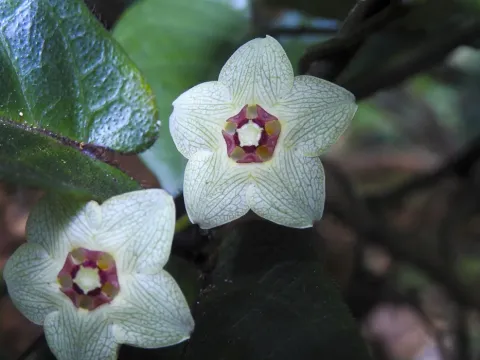
Phaeostemma
Phaeostemma
Phaeostemma is a genus of flowering plants belonging to the family Apocynaceae, specifically within the subfamily Asclepiadoideae. These plants are characterized by their climbing habit and specialized floral structures adapted for pollination by specific insects.
What the section contains
Phaeostemma
Native to the tropical regions of South America, Phaeostemma thrives in habitats with high humidity and consistent warmth. It is typically found in the dense, shaded understory of tropical forests, where competition for light shapes its growth patterns.
Cultivation of Phaeostemma requires strict adherence to environmental parameters, particularly in temperate climates where indoor or greenhouse conditions are mandatory. It requires a well-draining, nutrient-rich potting medium to prevent root rot, which is common in over-saturated conditions.
Regarding light, Phaeostemma prefers filtered sunlight. Excessive direct exposure to solar radiation can cause leaf scorching, whereas insufficient light leads to etiolated stems and poor flowering performance. Regular pruning is recommended to maintain shape and promote health.
The primary use of the genus is currently centered on botanical research and ornamental collection. Its unique morphology, consistent with other members of the dogbane family, makes it a valuable subject for studying the evolutionary adaptations of neotropical vines.