
Plumeria alba
Plumeria alba
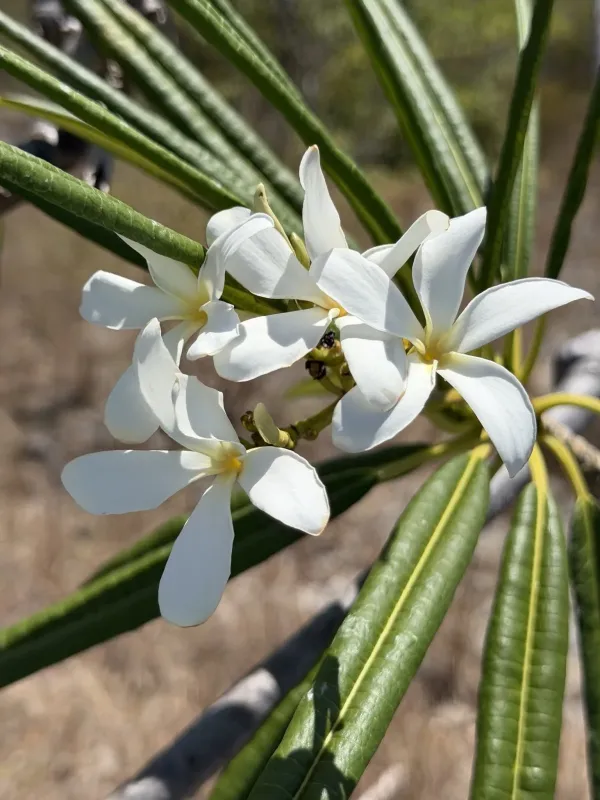
Description
Growing requirements
Plumeria alba, commonly known as white frangipani, is a notable species within the Apocynaceae family. It is recognized for its dense, fragrant white flowers and is widely cultivated as an ornamental and industrial crop in tropical climates.
Native to the Caribbean and Central America, the plant thrives in full sunlight. Optimal growth requires high temperatures, typically between 20°C and 30°C, and consistent humidity levels throughout the active vegetative season.
Soil requirements are strict: the crop demands well-draining, slightly acidic to neutral substrate. In container cultivation, a mix containing coarse sand or perlite is essential to prevent waterlogging and root asphyxiation.
Agrotechnical practices involve regular fertilization with balanced NPK formulas to support blooming cycles. Pruning is often performed after the flowering phase to encourage denser growth and shape the canopy for easier harvesting.
Economically, Plumeria alba is highly valued in the perfume and cosmetics industry. The essential oil extracted from the flowers is a sought-after ingredient due to its unique floral scent profile and therapeutic properties.
Main diseases and pests
The primary pests affecting Plumeria alba include spider mites and mealybugs. These organisms congregate on the underside of leaves and young shoots, causing leaf yellowing and eventual shedding if not controlled.
Fungal pathogens such as rust and root rot are common in high-humidity environments. Maintaining proper air circulation around the plants is critical to preventing the spread of fungal spores during the growing season.
Whiteflies can also cause significant damage by vectoring viruses, which leads to distorted leaf growth. Integrated Pest Management (IPM) strategies, including the use of neem oil and systemic insecticides, are recommended.
Thrips may damage the delicate flower petals, reducing the overall market quality of the harvested blooms. Early identification and the use of targeted biological controls are effective measures for maintaining high yield quality.
Environmental stress, particularly sudden cold snaps or over-fertilization, can weaken the plant's immune system, making it more susceptible to secondary infections. Monitoring plant vigor and adjusting irrigation is key to disease prevention.