
Petchia cryptophlebia
Petchia cryptophlebia
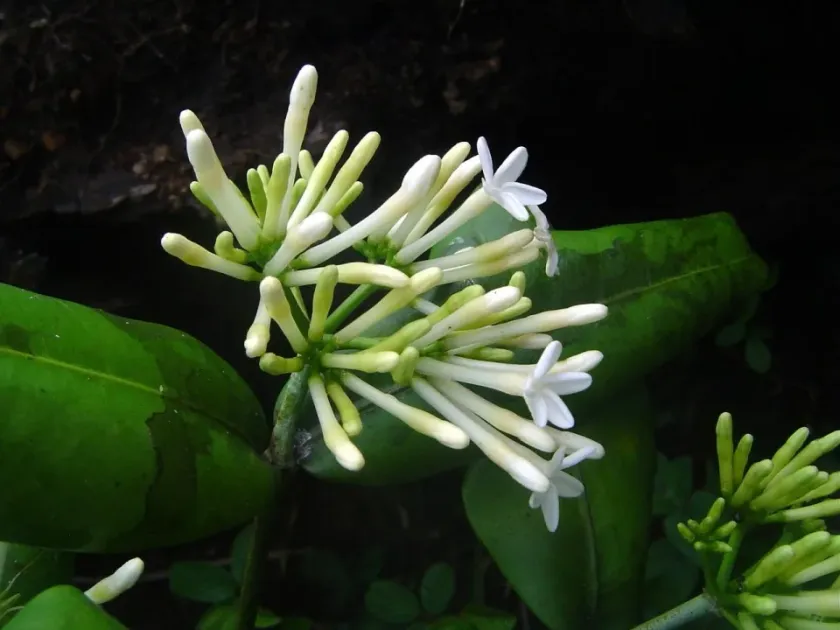
Description
Sowing dates
Sowing of Petchia cryptophlebia requires careful temperature control, maintaining an environment between 22 and 28 degrees Celsius. Seeds should be sown in a high-quality, well-draining substrate to ensure uniform germination rates.
The planting depth should be shallow, as the seeds respond positively to light exposure during the initial stages of development. Maintaining consistent humidity is critical during the first three weeks of the cycle.
Vegetative propagation via cuttings is considered the most efficient method for large-scale operations. Cuttings should be taken from healthy, mature stems to ensure maximum vigor in the new plants.
Once established, the seedlings or rooted cuttings should be transitioned to a slightly drier environment to encourage root system expansion and overall plant hardening before final transplanting.
Spacing requirements vary based on the method of cultivation but typically require adequate room to prevent overcrowding, which can lead to poor air circulation and subsequent disease outbreaks.
Growing requirements
Petchia cryptophlebia belongs to the Apocynaceae family and is native to tropical ecosystems. It thrives in high-humidity regions where temperatures remain relatively stable throughout the entire growing season.
The soil profile should be rich in organic matter and possess an acidic to neutral pH level. Proper aeration is essential, and incorporating perlite or vermiculite into the soil mix is recommended.
Water management is perhaps the most significant challenge in cultivating this species. While it demands consistent moisture, it is highly intolerant of waterlogged conditions that can cause rapid decay.
The plant requires filtered or indirect sunlight to optimize photosynthesis. High-intensity direct radiation should be avoided during the peak daylight hours to prevent tissue dehydration.
Fertilization programs should focus on providing essential micro-nutrients, particularly iron and magnesium, which are necessary to maintain the deep green coloration of the foliage throughout the year.
Main diseases and pests
Common pests such as spider mites and scale insects represent the most significant threat to the plant's health, particularly in indoor cultivation environments where natural predators are absent.
Fungal pathogens associated with damp environments can compromise plant integrity. Preventive measures include ensuring good airflow and applying organic fungicidal sprays during high-risk humid periods.
Root zone pathogens can be avoided by strictly adhering to sterilization protocols for the growing media and maintaining hygiene in the cultivation facilities to prevent cross-contamination.
Nutrient imbalances often manifest as leaf chlorosis or marginal necrosis. Periodic soil testing and foliar analysis can help growers adjust fertilizer applications to meet the plant's specific needs.
- Spider mites (Tetranychidae)
- Scale insects (Coccoidea)
- Powdery mildew
- Root rot (Pythium/Phytophthora)