
Marsdenia roylei
Marsdenia roylei
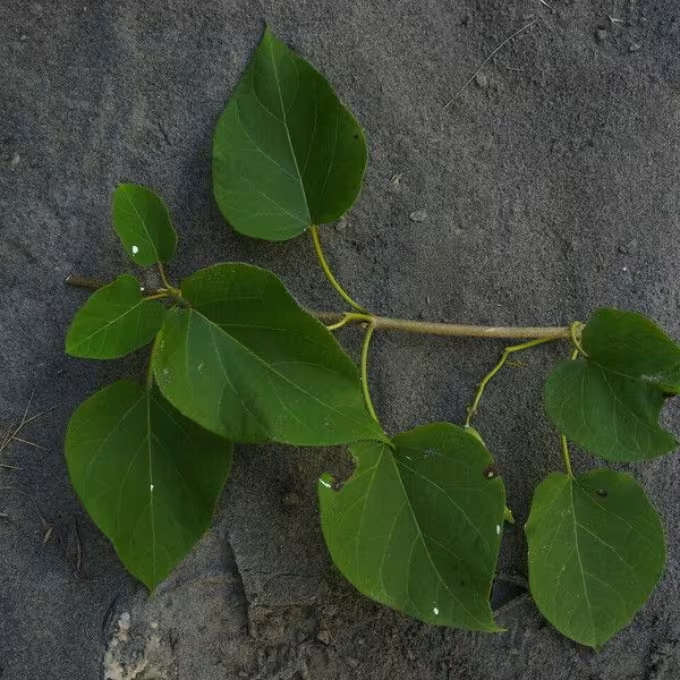
Description
Sowing dates
Marsdenia roylei is a perennial climbing vine that belongs to the Apocynaceae family. This crop can be propagated through seeds or vegetative methods, depending on the specific agricultural goals and environmental conditions of the region.
In subtropical climates, sowing is typically carried out in spring when soil temperatures reach 15-18 degrees Celsius. Utilizing greenhouses for seedling production ensures stable growth rates during the initial development phases of the plant.
The optimal time for transplanting seedlings into open soil is after the danger of frost has passed. Setting up trellis or support systems is mandatory before the plants begin active vining, as the crop requires vertical structures to reach its full potential.
Vegetative propagation via cuttings taken during the plant's dormant period is a common practice. This method helps preserve desirable genetic traits and significantly reduces the time needed for the plant to reach maturity.
Planting density is adjusted based on the intended use; denser planting is often used for fiber production to encourage the growth of long, straight stems and maximize total biomass output.
Growing requirements
Marsdenia roylei thrives in loose, well-drained soils with a neutral or slightly acidic pH level. It is crucial to ensure that the site does not have issues with waterlogging, as stagnant water can quickly lead to root rot.
This crop is light-demanding, requiring ample sun exposure to produce high-quality fibers. Shade-grown plants tend to develop weaker stems and lower yields, making site selection a critical factor for successful cultivation.
Ideal climate conditions involve moderate warmth and humidity. While the plant can tolerate minor temperature fluctuations, it requires protection from severe cold and strong, drying winds that can damage both the foliage and the support systems.
Regular irrigation is vital during the establishment phase and the first two years of the plant's life cycle. As the root system matures, the plant exhibits moderate drought tolerance, although supplemental watering during dry spells remains beneficial.
Fertilization regimes should prioritize nitrogen during the active growing season to promote stem elongation. Towards the end of the season, phosphorus and potassium applications are recommended to help the plant harden tissues for winter.
Yield
The primary economic value of Marsdenia roylei lies in the production of durable bast fiber. Historically, these fibers have been utilized for manufacturing ropes, fishing nets, and various types of high-strength textiles.
Beyond fiber, the plant serves as a significant source of biomass. The overall yield is directly proportional to the level of agronomic care, specifically the quality and structural integrity of the supports provided to the vines.
Yield capacity typically peaks from the second to third year of cultivation. As a perennial crop, it provides reliable annual harvests for several years if managed correctly with proper pruning and maintenance practices.
The quality of the fiber is determined by its tensile strength, length, and purity. Industrial processing involves soaking and mechanical extraction stages to separate the high-quality fiber from the plant's bark tissues.
Additionally, research into the plant's sap and secondary metabolites continues, as these components may hold potential for future applications in technical or biochemical fields.
Main diseases and pests
Marsdenia roylei is susceptible to common pests affecting Apocynaceae species, including aphids and spider mites. These pests can rapidly proliferate, weakening the plant by extracting nutrients from the foliage.
Fungal diseases are a major threat, particularly in humid and poorly ventilated conditions. Symptoms often include leaf spots or stem rot, which require prompt fungicide intervention and improved air circulation to manage.
Snails and slugs pose a significant risk to young shoots during the spring season. Maintaining weed-free zones around the base of the plants and utilizing barrier methods are effective preventative strategies.
Viral infections transmitted by insect vectors can cause permanent tissue deformation. Infected plants must be removed immediately to prevent the spread of the pathogen throughout the rest of the plantation.
Regular monitoring and integrated pest management (IPM) practices are essential to minimize crop losses and maintain the health of the cultivation area over several years.
Harvesting
Harvesting is conducted at the end of the vegetative season when the stems reach optimal maturity. It is crucial to harvest before the fiber becomes overly lignified, as this reduces the elasticity and quality of the final textile product.
The process involves carefully detaching the vines from their supports and cutting them at the base. Modern production facilities often use semi-mechanized equipment to increase efficiency during this stage.
Once gathered, the stems are sorted by length and diameter. The primary drying stage should occur in shaded, well-ventilated areas to prevent mold and ensure the fibers maintain their natural properties.
Logistics for transporting the harvested raw material must ensure protection from moisture. Excess humidity during storage can lead to rapid degradation of the fiber quality before it reaches the processing facility.
The final step involves the mechanical cleaning of the fiber from the bark remnants, ensuring a refined raw material ready for industrial textile manufacturing.