
Marsdenia lactifera
Marsdenia lactifera
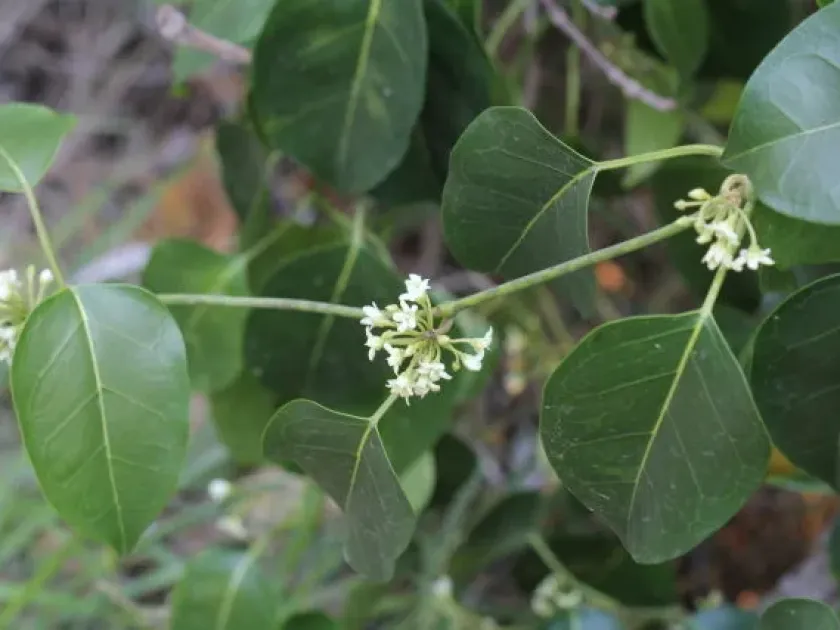
Description
Growing requirements
Marsdenia lactifera is a woody vine belonging to the Apocynaceae family. Native to the subtropical and tropical regions of Australia, it is known for its climbing growth habit and ability to produce a milky white sap.
The plant requires a high-humidity environment and stable warm temperatures. It is not frost-hardy, which limits its outdoor agricultural cultivation to strictly tropical or controlled greenhouse conditions.
Soil requirements involve well-drained, nutrient-rich mediums. It is essential to avoid waterlogging, which often leads to root rot in this species, making porous, aerated soil mixtures a priority for growers.
Light exposure should be bright but filtered. Direct, harsh sunlight can damage the leaves, while insufficient light leads to spindly, weak vine development that struggles to maintain its structural integrity.
Commercially, the species is recognized for its latex content. While not currently a primary industrial crop, it remains a subject of study for its potential bio-chemical properties and use in secondary botanical industries.
Main diseases and pests
The primary pests affecting Marsdenia lactifera include spider mites and scale insects, which frequently target the leaves and stems in indoor cultivation settings.
Fungal pathogens such as root rot and stem blight are common threats that usually arise from over-irrigation or soil compaction preventing proper drainage.
Mealybugs can also infest the plant, hiding in the leaf axils, which requires diligent scouting and early manual removal or chemical intervention to prevent severe outbreaks.
To maintain plant health, it is recommended to monitor the underside of the foliage regularly, as this is where most sap-sucking pests begin their colonization.
- Maintain low-density planting to improve airflow.
- Ensure tools are disinfected before pruning to avoid disease transmission.
- Use systemic fungicides only if preventative biological controls fail.