
Marsdenia rostrata
Marsdenia rostrata
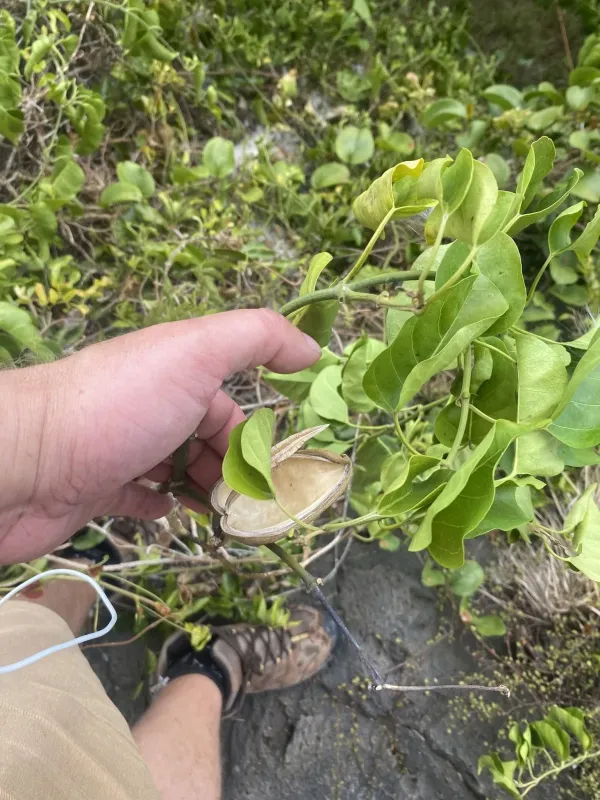
Description
Growing requirements
Marsdenia rostrata is a robust, woody climber belonging to the Apocynaceae family. Native to the eastern regions of Australia, this species typically thrives in moist forest habitats, where it utilizes surrounding vegetation to reach the forest canopy.
The plant thrives in well-draining soils that are rich in organic matter. A neutral to slightly acidic pH level is ideal for nutrient uptake. In cultivation, incorporating compost or leaf mold into the growing medium helps simulate its natural environment and supports vigorous growth.
Climatic requirements for Marsdenia rostrata are strictly tied to tropical and subtropical conditions. The plant is sensitive to frost and requires consistently warm temperatures to remain active. Protecting the plant from cold drafts is essential for survival in non-native regions.
Maintenance involves providing adequate moisture throughout the growing season. The soil should remain consistently damp but never saturated, as the roots are prone to oxygen deprivation if water becomes stagnant for extended periods.
To promote healthy development, sturdy trellises or supports are necessary. The vine's natural climbing habit needs structured vertical support to spread effectively and ensure that foliage receives optimal exposure to light, which is crucial for photosynthetic efficiency.
Main diseases and pests
Common agricultural threats include infestations by sap-sucking insects like mealybugs and spider mites. These pests typically congregate on the undersides of leaves, causing chlorosis and weakening the overall vitality of the vine if left unchecked.
Fungal issues, such as leaf spot or root rot, may occur if humidity levels are too high combined with poor airflow. Maintaining proper plant spacing and ensuring good ventilation around the vines are the primary preventative measures against these pathogens.