
Leptadenia reticulata
Leptadenia reticulata
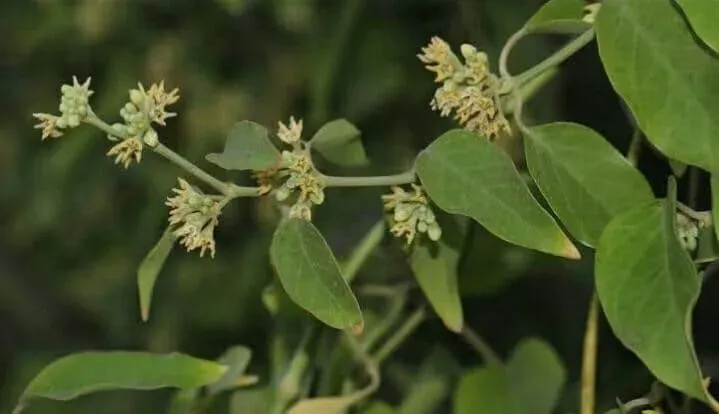
Description
Sowing dates
Leptadenia reticulata is a perennial climbing vine belonging to the Apocynaceae family. In its natural habitat, it propagates primarily through seeds that mature in pods and are dispersed by the wind.
For commercial cultivation, sowing seeds in prepared substrate is recommended in late spring, once the threat of frost has passed. The optimal germination temperature ranges from 22 to 28 degrees Celsius, provided the soil moisture is kept stable.
The plant performs well with vegetative propagation through cuttings. Cuttings are harvested during the active growth phase, treated with root-promoting hormones, and planted in lightweight, nutrient-rich soil under protective cover.
When grown in plantations, a support system is essential. As a vine, the plant requires trellises or mesh fencing, which maximizes land utility and ensures adequate light exposure for the foliage.
Planting density is calculated based on the growth vigor of the specific variety and the intended use, whether for medicinal biomass production or as a forage crop for livestock.
Growing requirements
This crop is heat-loving and drought-tolerant, thriving best in tropical and subtropical climates. It prefers well-lit areas with direct sunlight, although it can tolerate light shading during peak midday heat.
Leptadenia reticulata is not overly demanding regarding soil type; however, it shows the best results in sandy loam or loam soils with excellent drainage. Stagnant moisture in the root zone can trigger fungal diseases.
Soil pH is an important factor, with a range from slightly acidic to neutral being ideal. Prior to planting, it is advisable to incorporate organic fertilizers, such as well-rotted compost, to improve soil structure.
In regions with a distinct dry season, the plant requires moderate but consistent watering. Excessive nitrogen fertilization should be avoided, as it may stimulate lush green growth at the expense of medicinal compound accumulation.
In open-field conditions, the crop requires protection from strong winds that can damage the stems. In cooler zones, overwintering in a greenhouse or indoor space with temperatures above 10 degrees Celsius is necessary.
Yield
The economic value of Leptadenia reticulata lies primarily in the harvesting of its aerial parts. Biomass yield depends directly on management practices, the age of the plantation, and the frequency of pruning.
The first harvest can typically be gathered 6 to 8 months after planting. The leaves and young stems contain biologically active compounds, including glycosides, alkaloids, and flavonoids, making them valuable raw material.
When used as a forage crop, the plant provides a nutritious supplement for livestock, which can enhance milk production and improve overall animal resistance to diseases. Frequent harvesting of young shoots is practiced during the growing season.
Drying of the harvested material must occur in shaded, well-ventilated areas. Adhering to drying protocols ensures the preservation of the high concentrations of active substances that define the market value of the product.
Yield potential can be increased through the implementation of drip irrigation and balanced application of potassium and phosphorus fertilizers during the peak vegetative growth phase.
Main diseases and pests
Leptadenia reticulata is generally a hardy plant; however, in high humidity and poor ventilation, it is susceptible to powdery mildew. Correct plant pruning and spacing are the best preventive measures.
Common pests found in plantations include aphids and spider mites. At the first signs of infestation, biological control agents are recommended to maintain the quality of the raw material intended for pharmaceutical use.
Root rot is the most serious threat, often caused by overwatering or heavy, compact soil. Fungicidal treatments and improvements to field drainage are necessary to combat these issues.
During hot periods, poor agronomic management can lead to thrips infestations, which feed on sap, causing leaf deformation and reduced crop productivity.
Regular monitoring of the plantation is vital. Removing damaged parts and adhering to strict crop rotation practices help maintain the plant's natural immunity at an optimal level.
Harvesting
Harvesting is conducted selectively throughout the growing season. Young, healthy shoots with leaves are cut, as they possess the highest level of biological activity.
For industrial purposes, a complete harvest of the aerial parts is performed before the dormancy period. It is crucial to leave a portion of the root system intact for successful regeneration in the following season.
After harvesting, the material is sorted to remove dry or damaged leaves, then immediately processed or dried. Delays in initial processing lead to the loss of valuable volatile compounds.
The dried product should be stored in airtight containers in a dry, dark place protected from rodents and insects. This preserves the quality of the raw material over extended periods.
The use of modern drying chambers allows for reduced processing times and standardized quality, which is critical for the plant's utilization in the pharmaceutical industry.