
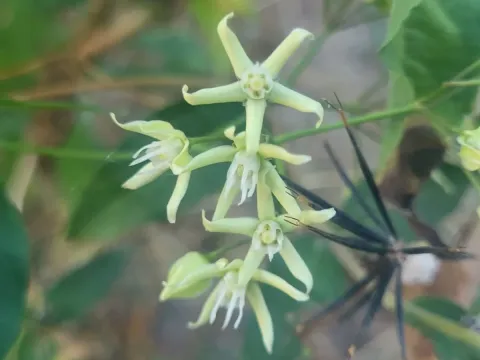
Jobinia
Jobinia
Jobinia is a genus of plants belonging to the Apocynaceae family, primarily native to South America. These plants often manifest as climbers or perennial herbs, exhibiting specific ecological adaptations to their original tropical habitats.
What the section contains
Jobinia
In terms of agricultural requirements, Jobinia thrives in well-aerated, fertile soils that mimic forest floor conditions. Maintaining a neutral soil pH is crucial for optimal nutrient uptake and long-term health of the plant structure.
Climate needs are strictly tropical or subtropical, requiring high levels of atmospheric humidity and constant warmth. The cultivation process is typically restricted to controlled environments or frost-free zones, as the species is highly susceptible to cold stress.
Water management is the cornerstone of successful growth; irrigation should be consistent to avoid moisture deficit, yet drainage must be superior to prevent waterlogging. Over-saturation frequently leads to irreversible root damage in this genus.
Commercially, Jobinia is valued in specialized botanical collections and research sectors focusing on the pharmacognosy of Apocynaceae species. It is occasionally integrated into sustainable permaculture models in regions where climatic conditions permit outdoor growth.
Fungal pathogens such as Rhizoctonia and Phytophthora are primary threats to Jobinia, especially when air circulation is inadequate. These fungi attack the roots and lower stems, leading to rapid plant decline.
Pests including spider mites (Tetranychidae) and aphids frequently colonize the foliage in greenhouse settings. Their feeding activity causes significant aesthetic and physiological damage, potentially transmitting viral diseases.
Mealybugs are another recurring issue, as they hide within the complex leaf architecture of Jobinia vines. Manual removal or systemic insecticides are required to manage these populations effectively during the peak growing season.
Bacterial wilt may occur in tropical climates during periods of high rainfall, creating challenges for outdoor production. Management strategies emphasize the use of resistant genotypes and strictly regulated humidity controls.
Integrated pest management (IPM) protocols are highly recommended for Jobinia to maintain plant health. This includes regular scouting, the use of beneficial insects, and application of biological fungicides to minimize environmental chemical load.