
Landolphia
Landolphia
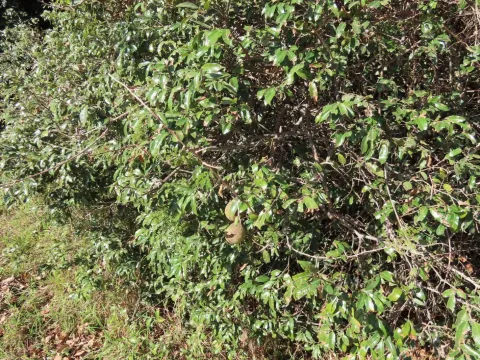
Landolphia is a genus of tropical woody vines belonging to the Apocynaceae family, native primarily to the tropical regions of Africa. These plants are known for their vigorous growth habit and ability to climb high into the forest canopy, serving as a vital component of the local ecosystem.
What the section contains


Landolphia
The plant thrives in equatorial climates with consistently high temperatures and significant annual rainfall. It requires protection from direct cold exposure, as freezing or even low temperate conditions can permanently damage the plant tissues and stop the flow of latex.
Optimal growth conditions involve well-drained, nutrient-rich soils with a slightly acidic to neutral pH level. As a vine, it requires physical support in cultivation, which must be carefully managed to ensure the plant receives adequate sunlight for photosynthesis and fruit production.
Agricultural management of Landolphia involves careful pruning and training to facilitate both the maintenance of the plant and the efficient harvesting of its resources. The cultivation cycle is long-term, as these vines develop significant woody stems over several years of growth.
Landolphia serves dual purposes in tropical agriculture: as a historical source of high-quality natural rubber extracted from the latex, and as a producer of edible berries. These fruits, often referred to as landolphia fruit, are highly valued for their sweet and tangy flavor profile.
Major threats to Landolphia plantations include sap-sucking insects like mealybugs and aphids, which often settle on new, tender shoots and can significantly reduce plant vigor if left untreated.
Fungal infections, particularly root rot, are common in poorly drained soils. Furthermore, improper tapping techniques for rubber collection can create entry points for pathogens, leading to stem canker or tissue necrosis.