
Leptadenia madagascariensis
Leptadenia madagascariensis
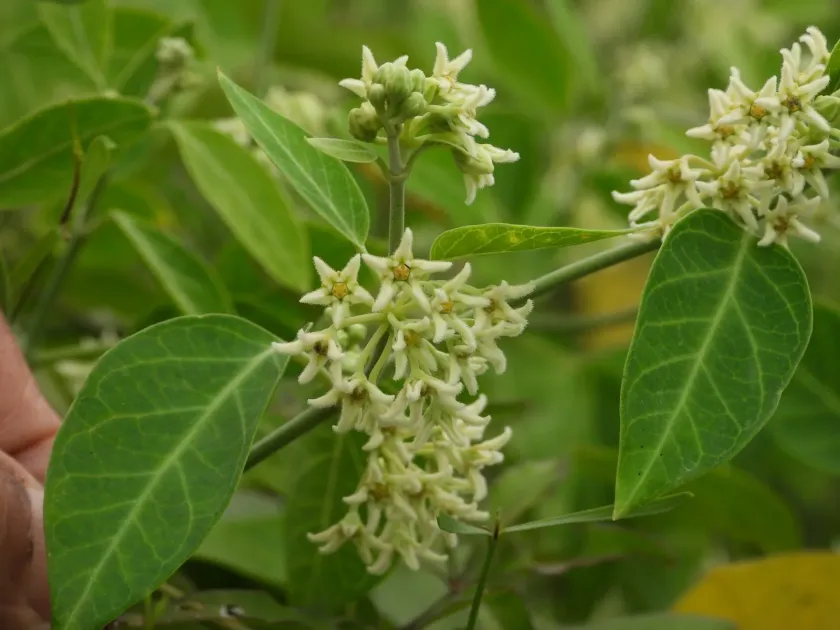
Description
Growing requirements
Leptadenia madagascariensis is a woody perennial vine belonging to the Apocynaceae family. Native to Madagascar, this species is well-adapted to tropical conditions, characterized by high humidity and distinct wet and dry seasons which drive its annual growth cycles in its natural habitat.
The botanical structure of the plant consists of robust, twining stems that climb using support structures and thick, coriaceous leaves. These leaves are designed to withstand direct sunlight while preventing excessive evaporation, which is a key adaptive mechanism for survival in tropical sun exposure.
To cultivate this species successfully, growers must ensure the presence of well-draining, nutrient-rich soil. The root system is highly sensitive to waterlogging, therefore the soil structure should be loose and aerated. Sandy or loamy soils with a slightly acidic profile are considered the most favorable for optimal development.
Climatic requirements demand a consistent tropical climate with temperatures ranging between 20°C and 30°C. Leptadenia madagascariensis is highly frost-intolerant and cannot survive exposure to cold weather; therefore, controlled environments are essential if grown outside of its natural tropical range.
In terms of agricultural and industrial utility, Leptadenia madagascariensis is primarily studied for its potential in pharmaceutical and animal feed sectors. The presence of unique phytochemical compounds within its stems makes it a subject of ongoing research, focusing on its potential as a bioactive ingredient for sustainable agricultural solutions.