
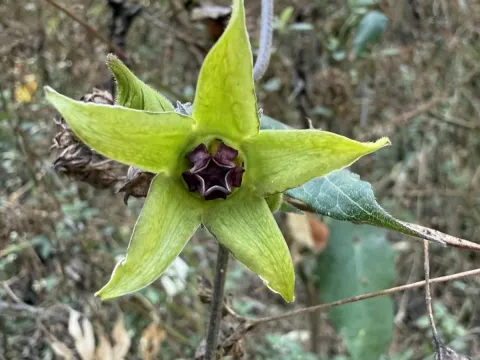
Gonolobus
Gonolobus
Sowing Gonolobus seeds is typically performed in late winter or early spring under protected conditions to ensure robust seedling development. As a heat-loving vine, the plant requires consistent warmth, making indoor germination in specialized trays the most reliable method for successful cultivation.
What the section contains


Gonolobus
Seeds should be placed into a lightweight, moisture-retentive potting mix at a depth of approximately 1 to 2 centimeters. Maintaining a stable temperature between 22 and 25 degrees Celsius is crucial to achieving optimal germination rates and ensuring the vitality of young sprouts.
Transplanting into the permanent location should occur only after the danger of late frost has passed and the soil has sufficiently warmed. Choosing a sunny location is essential, as the plant thrives when its canopy receives several hours of direct light throughout the day.
Providing a sturdy support structure, such as a trellis or netting, is a mandatory step during the planting phase. Since Gonolobus exhibits vigorous climbing behavior, vertical space must be managed early to prevent tangled growth and ensure adequate airflow through the foliage.
During the initial weeks following planting, regular monitoring of soil moisture is required to assist in the establishment of the root system. Mulching around the base of the plant can help retain ground moisture and prevent the growth of competitive weeds in the early stages of development.
Gonolobus belongs to the diverse Apocynaceae (dogbane) family and represents a group of tropical and subtropical vining plants. These plants are characterized by their twining stems and showy flowers, which require high levels of solar radiation to reach full potential.
The ideal soil profile for this genus is well-draining, nutrient-rich, and slightly acidic to neutral. High-quality organic matter, such as compost or peat, can significantly improve the soil structure, preventing compaction and ensuring proper oxygenation for the roots.
Climatic requirements focus on warmth and humidity; the plants are highly sensitive to frost and cold snaps. In temperate climates, they perform best as annual climbers or greenhouse specimens where temperatures remain above 20 degrees Celsius for most of the growth cycle.
Irrigation practices must balance hydration with the risk of root rot. Deep watering that keeps the soil consistently damp but not waterlogged is the golden rule, especially during the peak of summer when transpiration rates are at their highest.
Nutritional management involves the periodic application of balanced NPK fertilizers to support lush leaf production and flower initiation. Excess nitrogen should be avoided later in the season to prevent weak, leggy growth that is more susceptible to environmental stress.
The primary threats to Gonolobus include sap-sucking pests, most notably the two-spotted spider mite. These pests thrive in dry environments and can cause significant damage to the leaf tissue, leading to chlorosis and potential plant decline if left unchecked.
Aphids represent another common challenge, often congregating on the tender tips of climbing vines. Beyond direct physiological damage, they are known vectors for various mosaic viruses that can stunt growth and distort foliage, requiring early intervention with insecticidal soaps or biological controls.
Fungal diseases, including powdery mildew and Botrytis, frequently appear when humidity levels remain too high and air movement is insufficient. Maintaining an open growth habit and ensuring consistent airflow between plants is the best natural defense against these pathogens.
Root system health is vital, and pathogens like Phytophthora may occur in saturated soils with poor drainage. Once roots are compromised, the upper canopy will show signs of wilting even if the soil appears damp, necessitating an immediate review of watering frequency.
- Spider mites (thrive in hot, dry conditions)
- Aphids (vectors for viral pathogens)
- Powdery mildew (requires air circulation for control)
- Root rot (often caused by poor soil drainage)