
Funtumia africana
Funtumia africana
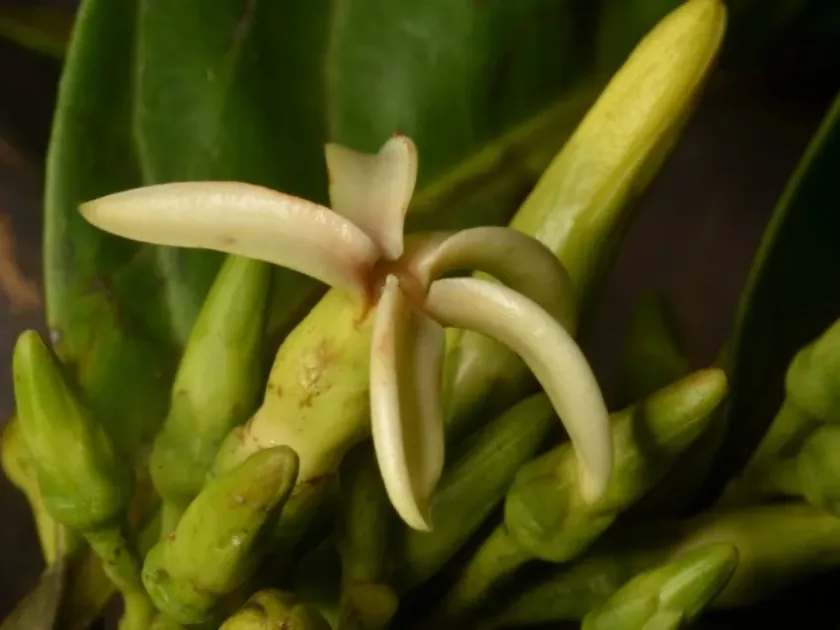
Description
Growing requirements
Funtumia africana is a fast-growing evergreen tree species belonging to the Apocynaceae family. It is native to the tropical forests of West and Central Africa, where it thrives in humid environments as a prominent component of the forest canopy and understory.
The tree exhibits high adaptability to various soil types, although it performs best in deep, fertile soils with high organic matter content. Its botanical structure is characterized by a straight stem and glossy, opposite leaves that optimize light absorption in tropical climates.
Regarding climatic requirements, the species demands high and consistent temperatures throughout the year. It does not tolerate prolonged frost or severe drought, making it suitable specifically for equatorial regions with reliable rainfall patterns.
Agricultural management of Funtumia involves ensuring adequate spacing between trees to allow for crown expansion. As a versatile species, it is often incorporated into agroforestry systems to provide structural support for crops and improve overall soil health.
The economic value of this tree is diverse, ranging from its use as a source of local latex and medicinal extracts to the production of lightweight timber. Its ability to regenerate quickly makes it a sustainable choice for reforestation projects in its native range.
Main diseases and pests
Funtumia africana is susceptible to various fungal pathogens that thrive in high-humidity conditions. These diseases often affect the roots and the bark, particularly if the trees are stressed by environmental factors or improper management.
Insect pests pose a significant threat to young saplings, as caterpillars and beetles frequently feed on the succulent tissues. Integrated pest management strategies are recommended to mitigate these losses in plantations.
The practice of tapping the bark for latex extraction must be handled with precision. Improper cutting techniques can create entry points for wood-boring insects and decay-causing fungi, significantly reducing the lifespan of the tree.
Competition from aggressive invasive weeds can suppress the growth of young Funtumia plants during the establishment phase. Regular weeding and maintaining clear planting rows are essential for successful early-stage development.
Environmental stresses, such as prolonged soil saturation or extreme wind exposure, can also lead to weakened tree structure, making the plants more vulnerable to secondary infections and opportunistic pests.