
Himatanthus
Himatanthus
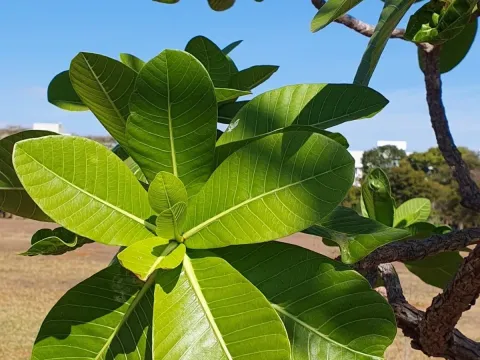
Himatanthus is a genus of evergreen trees and shrubs belonging to the Apocynaceae family. Native to the tropical rainforests of Central and South America, these plants are highly valued for their biological diversity and medicinal compounds.
What the section contains

Himatanthus
Cultivation requires well-drained, nutrient-rich soils. The plant thrives in environments that provide consistent moisture while preventing waterlogging, as the root system is susceptible to decay if drainage is poor.
The climate must be strictly tropical, with temperatures consistently between 22 and 30 degrees Celsius. Himatanthus does not tolerate frost or significant temperature drops, making it unsuitable for temperate agricultural zones.
Optimal growth is achieved under bright, indirect light conditions. While the plant can survive in partial shade, full development of the canopy and flower production are enhanced by sufficient light exposure in natural habitats.
Good agricultural practices involve applying organic fertilizers to support steady growth rates. Propagation is typically performed via seed germination or vegetative cutting under high-humidity controlled environments.
The primary economic value of Himatanthus lies in its bark and latex. These materials are traditionally harvested for pharmaceutical and medicinal research, particularly for their anti-inflammatory and anti-parasitic properties.