
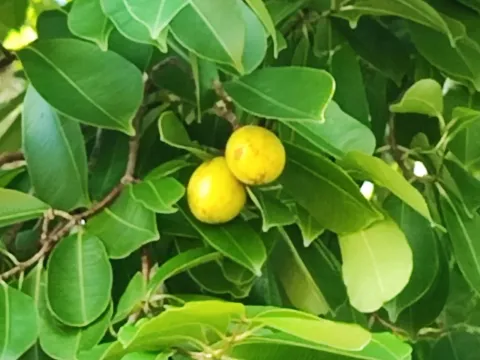
Hancornia
Hancornia
The propagation of Hancornia is primarily conducted via seeds, as this method ensures the best adaptability of the young plants to their specific environment. Seeds are extracted from fully ripened fruits and should be sown into well-drained, lightweight substrate as soon as possible, since they lose viability quickly.
What the section contains

Hancornia
The optimal time for sowing in nurseries is the beginning of the rainy season, which allows seedlings to establish their root systems before the onset of the dry period. Sowing depth is typically around two centimeters to maintain moisture levels while ensuring protection from excessive sun exposure.
Soaking the seeds in room-temperature water for 12 to 24 hours prior to sowing can significantly improve germination rates. The emergence of sprouts can be staggered, sometimes taking up to three months depending on the freshness of the seed material.
Once seedlings develop several pairs of true leaves, they are transplanted into individual containers. It is essential to provide young plants with adequate, indirect light and maintain consistent soil moisture, protecting them from harsh sunlight during the initial stage of growth.
Transplanting to the permanent location should occur when the seedlings are at least 30 to 40 centimeters tall. A recommended spacing of five by five meters is necessary to allow sufficient room for the tree's expansive crown and root system to develop correctly over time.
Hancornia, a member of the Apocynaceae family, originates from the tropical savanna regions of Brazil and Paraguay. The plant thrives in sunny, well-lit environments and does not tolerate shade, which significantly impacts its fruit production capacity and overall vigor.
This crop is known for its relative drought tolerance, yet it requires regular irrigation during prolonged dry spells to ensure consistent fruit set. It adapts well to nutrient-poor, sandy soils but performs best in fertile sandy loams with deep groundwater levels.
The ideal temperature range for Hancornia growth is between 20 and 30 degrees Celsius. The plant is extremely sensitive to freezing temperatures and cannot survive even minor frost, which limits its commercial cultivation to strictly tropical and subtropical climates.
Soils should have excellent aeration, as the plant is susceptible to root rots if water remains stagnant around the root zone for extended periods. Soil pH levels can range from slightly acidic to neutral for successful growth.
Protection from strong, drying winds is a critical agricultural requirement, especially for young trees. Establishing windbreaks or planting in sheltered zones helps prevent physical damage to the branches and reduces the premature drop of fruits.
Productivity in Hancornia begins around the 3rd or 4th year after planting, with full-scale commercial yields typically reached by the 6th to 8th year. The total yield depends heavily on planting density, soil quality, and the adequacy of irrigation management.
An adult tree in favorable conditions can yield between 10 and 25 kilograms of fruit per season. The fruits, widely known as mangaba, are prized for their unique aroma and are used in producing juices, jams, ice cream, and specialized liqueurs.
Beyond its value as a fruit crop, Hancornia is a source of high-quality latex, which can be harvested from the bark. This dual utility makes it an interesting plant for multifunctional agricultural systems, though fruit harvest remains the primary economic objective.
Breeding and selection efforts focus on improving fruit flavor and extending post-harvest shelf life. Enhanced yields are further achieved through consistent application of organic fertilizers in the root zone at the beginning of the growing season.
Market prospects for the fruit are somewhat limited by its delicate nature, leading to the development of local processing facilities. Adding value to the harvest through local manufacturing of derivatives significantly improves the economic viability of the farm.
Fungal diseases are the primary threats to Hancornia, especially in high-humidity environments where poor air circulation exists within the canopy. Regular pruning is a key preventive measure to ensure airflow and reduce the incidence of pathogens.
Pests such as fruit flies and various sap-sucking insects can cause substantial crop loss if not managed through integrated pest control. Biological control methods and timely application of permitted insecticides help manage these populations effectively.
Root rots caused by pathogenic fungi like Fusarium or Phytophthora represent a significant danger if irrigation practices lead to waterlogged soil. Ensuring proper drainage and avoiding excessive watering are essential preventative strategies.
Physical injuries to the bark caused by rodents or farm tools provide entry points for pathogens and pests. Regular monitoring and covering wounds with horticultural sealant helps maintain the integrity and health of the tree trunks.
Nutrient imbalances in the soil can weaken the tree's immune system, making it more susceptible to external threats. Periodic soil testing and balanced fertilization including micronutrients like iron, zinc, and boron are essential for maintaining plant vitality.
Harvesting Hancornia requires precision, as the fruits are highly perishable and prone to damage upon impact. Ripe fruits often fall to the ground; therefore, using soft netting or fabric under the trees is recommended to collect the fallen produce gently.
Maturity is indicated by the change in skin color from green to yellow or a reddish hue, accompanied by a distinctive, sweet fragrance. Frequent, daily harvests during the peak season are necessary to prevent decay and ensure the quality of the gathered produce.
Once harvested, fruits must be cooled or processed immediately, as they typically have a shelf life of only 2 to 3 days at room temperature. For long-distance transport, fruits must be packed in cushioned containers to prevent bruising.
Latex collection is performed during the dry season when sap flow is stable. Careful incisions are made in the bark, and the exudate is collected in containers, after which the incisions are treated to facilitate the healing of the bark.
Workers must wear protective gear and use specialized tools to minimize damage to the trees. Skilled harvesting practices ensure the longevity of the orchard and help maintain consistent income levels for the producer over several decades.