
Gonolobus rostratus
Gonolobus rostratus
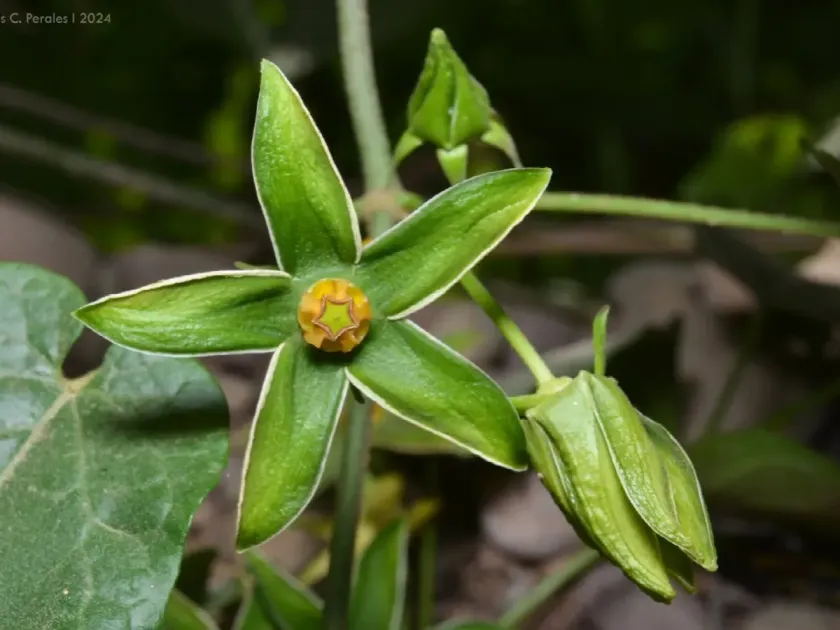
Description
Sowing dates
The propagation of Gonolobus rostratus primarily involves seed sowing, which should ideally be initiated during early spring to maximize the growing season.
For optimal results, seeds should be planted in a well-draining, lightweight potting mix at a depth of approximately 1 centimeter.
Maintaining a constant substrate temperature between 22 and 25 degrees Celsius is crucial to ensure a high germination rate and strong seedling development.
Pre-soaking seeds for several hours in lukewarm water can significantly shorten the germination period, which typically spans between two to four weeks.
Once seedlings have developed two sets of true leaves, they should be carefully transplanted into larger containers to allow for root expansion and robust growth.
Growing requirements
Gonolobus rostratus is a member of the Apocynaceae family, known for its vining growth habit and unique, structurally complex flowers.
This species thrives in locations with bright, indirect sunlight, as direct harsh sun exposure can easily scorch its delicate foliage.
Soil requirements include a nutrient-rich, airy composition that facilitates excellent drainage to prevent root rot, a common hazard for this genus.
Consistent moisture is required during the peak growing season, though the soil should be allowed to dry slightly between watering cycles.
The plant requires sturdy vertical support, such as a trellis or mesh, to accommodate its climbing nature and ensure proper air circulation through the foliage.
Main diseases and pests
The most significant threats to this vine include common greenhouse pests like spider mites, aphids, and mealybugs, which thrive in low-humidity environments.
Fungal infections, particularly root and crown rot, can develop rapidly if the plant is overwatered or if the growing medium lacks proper drainage.
Botrytis, or gray mold, may affect the leaves and flowers if air circulation is poor and humidity levels remain excessively high for extended periods.
Early detection is vital; regular inspection of the leaf undersides and stems helps in catching infestations before they spread across the entire plant.
Integrated pest management, including the use of neem oil or insecticidal soaps, is effective in controlling outbreaks while minimizing chemical residue.
Harvesting
The primary use of Gonolobus rostratus is ornamental, serving as a botanical specimen in conservatory collections and private botanical gardens.
Seed harvesting is conducted when the fruit pods change color and begin to split open, signaling that the seeds inside are mature and ready for collection.
Properly cleaned and dried seeds should be stored in cool, dark, and dry conditions to maintain their viability for future planting cycles.
While not a major commercial food crop, enthusiasts often study the plant for its unique ecological interactions with local pollinators.
Maintaining a clear record of seed harvesting dates and environmental conditions is recommended for those dedicated to the preservation and propagation of this species.