
Gonolobus gonocarpos
Gonolobus gonocarpos
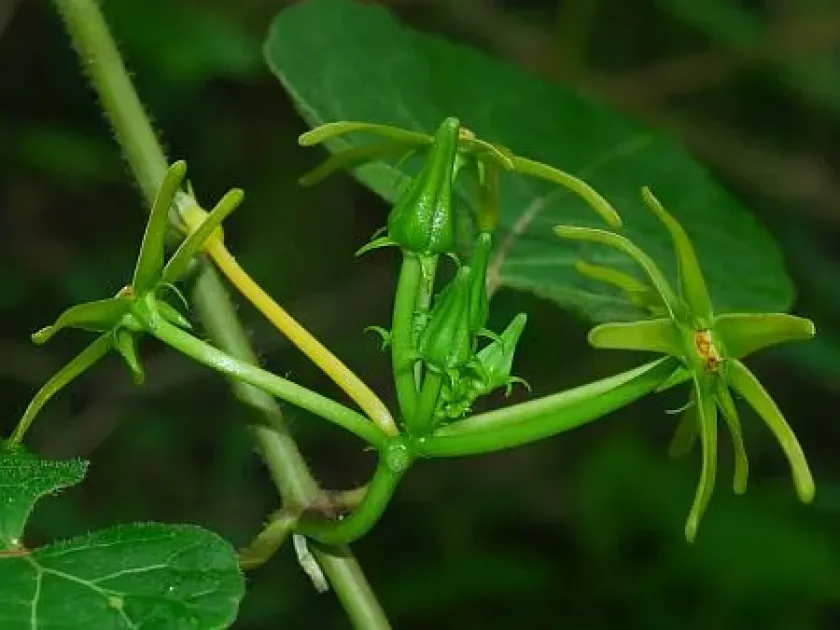
Description
Sowing dates
Gonolobus gonocarpos is a climbing perennial vine belonging to the Apocynaceae (dogbane) family. Propagation is primarily achieved through seeds, which should be sown in the spring after the danger of frost has passed and the soil has sufficiently warmed.
The seeds require a well-draining, nutrient-rich potting medium. They should be planted at a depth of approximately 1 to 2 centimeters. Maintaining consistent moisture levels is critical for successful germination, which usually occurs within two to three weeks under optimal conditions.
In temperate climates, starting seeds indoors in late winter provides a significant head start. This allows the vines to establish a robust root system before being transplanted into the garden, increasing their chances of surviving the initial period of adjustment.
Stem cuttings can also be used for vegetative propagation. It is best to take semi-hardwood cuttings during the active growing season. Applying a rooting hormone significantly improves the success rate of the cuttings when placed in a peat-perlite mixture.
Once established, the plants require sturdy vertical supports such as trellises or fences. As vigorous climbers, they should be spaced at least one meter apart to ensure adequate airflow and prevent the entanglement of neighboring specimens.
Growing requirements
This species thrives in locations that receive full sun to partial shade. While it prefers ample sunlight to produce flowers, protection from harsh, intense afternoon heat can prevent leaf scorch and ensure the longevity of the plant's foliage.
The soil requirements involve a loamy or sandy-loam texture that facilitates excellent drainage. The plant is sensitive to waterlogged conditions, which can lead to root rot; therefore, the substrate must be aerated and have a neutral or slightly acidic pH balance.
Irrigation should be regular, keeping the soil consistently moist but never waterlogged. During periods of drought, the plant requires supplemental watering to sustain its rapid growth rate, although it shows a moderate degree of resilience once fully established.
For optimal health, supplemental fertilization is recommended during the peak growing season. A balanced, slow-release fertilizer rich in phosphorus and potassium promotes strong stem development and encourages the production of its characteristic blooms.
Climate tolerance is specific to the species' native range. While it can handle variations in temperature, extreme cold during winter often requires protective mulching at the base of the plant to insulate the root zone from freezing temperatures.
Main diseases and pests
The most common pests affecting this vine include aphids, spider mites, and mealybugs. These sap-sucking insects can cause significant leaf deformation and weaken the vine, especially when it is grown in conditions with poor airflow or low humidity.
Fungal diseases, including powdery mildew and various leaf spot pathogens, are common issues in gardens with high humidity. Ensuring proper spacing and removing debris around the base of the plant help mitigate the development of these fungal infections.
Root rot remains a primary concern for growers. It is often caused by over-irrigation or soil that lacks proper porosity. If root rot is detected, the immediate reduction of water and the application of fungicides may be necessary to save the plant.
- Aphids: managed with insecticidal soap.
- Spider mites: controlled with horticultural oils.
- Powdery mildew: treated with sulfur-based fungicides.
- Root rot: prevented by proper drainage.
Monitoring the plant for signs of stress or chlorosis is essential for early detection of nutrient deficiencies or pest infestations. Proactive care and maintaining a clean growing environment are the most effective strategies for long-term plant health.