
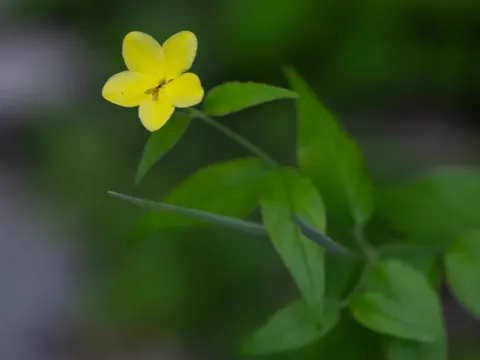
Haplophyton
Haplophyton
Haplophyton is a genus of plants belonging to the Apocynaceae family. These plants are native to the arid regions of Mexico and the southwestern United States, thriving in harsh, dry environments.
What the section contains

Haplophyton
The botanical structure of Haplophyton allows it to efficiently conserve water. It typically presents as a subshrub with specific morphological adaptations that protect it from high levels of solar radiation and heat stress.
Soil requirements focus on excellent aeration and drainage. These plants prefer sandy or rocky soils that prevent root saturation, as they are naturally evolved for environments with sparse and intermittent rainfall.
Regarding climate, Haplophyton requires full sun and warm temperatures to complete its growth cycle. It is sensitive to frost and does not tolerate high humidity levels, which can disrupt its metabolic processes.
In agronomy, Haplophyton is primarily studied for its secondary metabolites. Certain species are known for containing alkaloids that act as natural insecticides, making them interesting for sustainable agriculture research.
The most significant threat to Haplophyton cultivation is fungal disease caused by moisture excess. Root rot and collar rot are common occurrences when the drainage is insufficient for the plant's needs.
While the plant produces alkaloids that deter many herbivores, it can still be susceptible to specific sap-sucking insects if the plants are already stressed by poor environmental conditions.
Prevention of diseases involves strict control over irrigation schedules. It is advised to implement drip irrigation systems to deliver water directly to the root zone without wetting the foliage.
Competition from weeds is a significant challenge during the establishment phase. Since the plant has a relatively slow initial growth rate, mechanical weed control is essential for young plantations.
Proper air circulation is crucial in both field and greenhouse settings to prevent the development of mold and mildews that thrive in stagnant, humid air pockets around the plant base.