
Forsteronia
Forsteronia
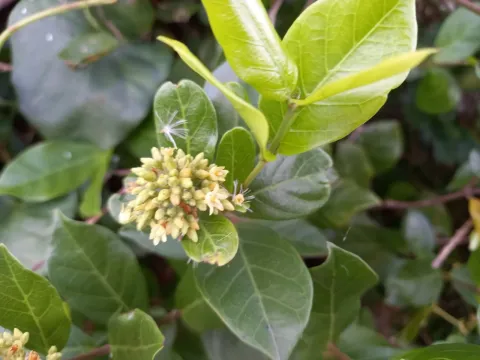
Forsteronia is a genus of evergreen woody vines belonging to the family Apocynaceae. Native to the tropical regions of the Americas, these plants are well-adapted to the dense, humid environment of rainforests where they serve as vigorous climbers.
What the section contains

Forsteronia
The cultivation of Forsteronia requires specific conditions that mimic their natural habitat. They thrive best in rich, loamy, and well-draining soils, and they are sensitive to waterlogging, which can rapidly damage their root systems.
Climatic requirements focus on maintaining high ambient temperatures and consistent humidity levels throughout the year. As climbing plants, they require sturdy support structures in a greenhouse or conservatory setting to achieve their full growth potential.
Botanically, they are characterized by their opposite leaves and terminal or axillary inflorescences. The presence of laticifers in the plant stems, which produce milky sap, is a defining trait common to most Apocynaceae species.
From a horticultural standpoint, Forsteronia is primarily cultivated for its aesthetic appeal in botanical collections. While not a commercial staple crop, certain species have historical significance due to secondary metabolites found in their tissues.
Spider mites are common pests that thrive on Forsteronia when humidity levels within the growing environment are not adequately maintained.
Root rot, caused by various soil-borne pathogens, remains a persistent threat if the growing medium lacks proper aeration and drainage capacity.
Mealybugs are known to infest the nodes and leaf axils, potentially leading to stunted growth and the spread of opportunistic fungal infections.
Fungal leaf spots can develop when ventilation is poor and moisture lingers on the leaf surfaces for extended periods, especially in low-light conditions.
Maintaining a balanced irrigation schedule and performing frequent health inspections are essential management practices to ensure the long-term survival of the plant.