
Gonolobus carolinensis
Gonolobus carolinensis
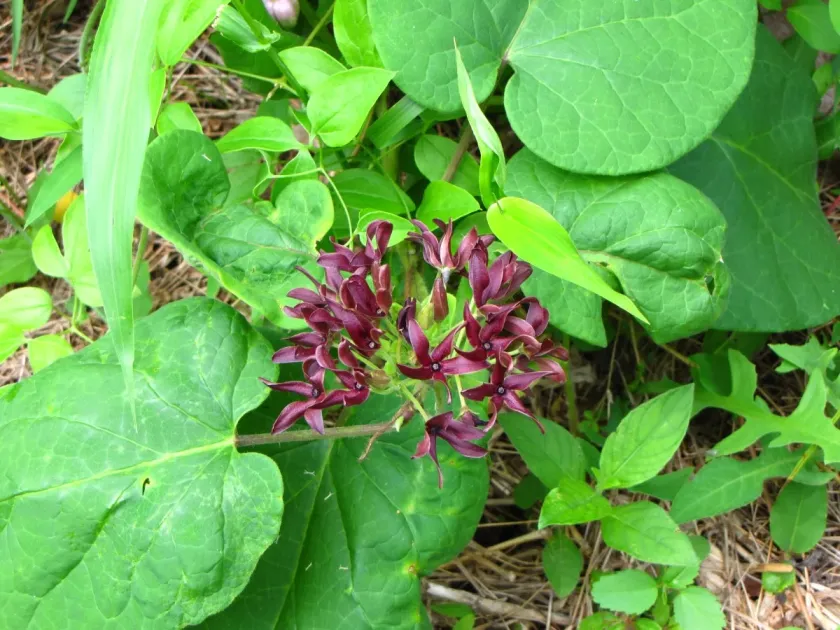
Description
Sowing dates
Gonolobus carolinensis is a perennial twining vine belonging to the Apocynaceae family. In a cultivation setting, it is propagated primarily through seeds sown after the danger of spring frost has completely passed.
The seeds should be planted in well-drained soil at a depth of 1-2 cm. Optimal germination occurs when soil temperatures are consistently between 18 and 22 degrees Celsius, ensuring steady growth initiation.
When starting seeds indoors, use a light, peat-based mix to encourage root development. Transference to the outdoor site should occur only after the plant has established a healthy root system and a firm stem.
Spacing is essential for the vine to flourish; allow at least 50-60 cm between plants to ensure adequate airflow and nutrient access. Crowding can hinder the twining process and increase humidity levels around the foliage.
Regular watering during the germination phase is critical. Once the seedlings reach a height of 10-15 cm, provide a support structure to encourage the natural climbing behavior of the species.
Growing requirements
This species thrives in partial shade, reflecting its natural habitat in woodland edges and thickets. Protection from intense, direct midday sun is necessary to prevent leaf scorching and excessive moisture loss.
The ideal soil is rich in organic matter, slightly acidic to neutral, and possesses excellent drainage capabilities. The addition of compost or well-rotted leaf mold significantly enhances the soil's structure and fertility.
Vertical support is a non-negotiable requirement for this climber. Trellises, wire meshes, or sturdy wooden stakes allow the vine to reach its full vegetative potential and display its characteristic flowers.
Climatic requirements focus on steady moisture and protection from harsh, drying winds. While it is relatively resilient, the plant benefits from a stable environment without sudden temperature fluctuations.
Winter care is vital in cooler zones; applying a thick layer of organic mulch around the base of the plant helps insulate the roots and protects the dormant buds from frost damage during the winter season.
Main diseases and pests
Aphids and spider mites are common pests that target the soft, growing tips of the vines. Regular monitoring and the application of insecticidal soaps can effectively control these populations before they cause major damage.
Root rot is the most significant disease risk, typically caused by overwatering or compacted soil that fails to drain properly. Improving soil aeration is the primary defense strategy against these fungal pathogens.
Snails and slugs may feed on young seedlings or tender leaves near the ground. Using copper strips or organic slug baits can protect the vine during its vulnerable initial growth stages in the spring.
Viral infections may occur, manifesting as distorted leaves or yellowing patterns known as mosaics. Because there is no cure, preventing vector insects like aphids is the only way to safeguard the plant's health.
Sanitation within the growing area is crucial. Removing dead plant debris and controlling weeds prevents the buildup of pest populations and reduces the risk of fungal spores colonizing the foliage.