
Tulbaghia violacea
Tulbaghia violacea Harv.
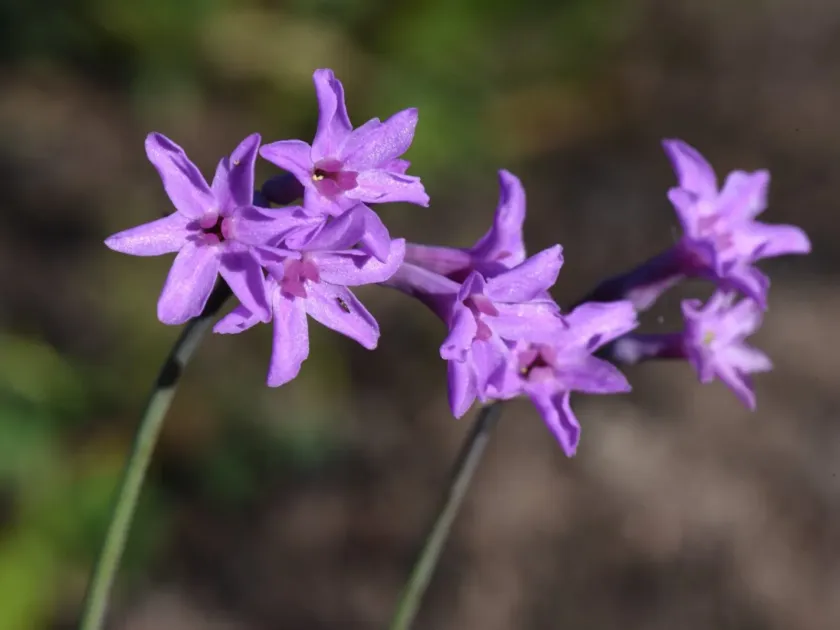
Description
Sowing dates
Seeds of Tulbaghia violacea are typically sown in early spring, ideally in a controlled environment such as a greenhouse or a sunny indoor space. They should be placed in a light, well-draining seed-starting mix at a depth of about 0.5 to 1 centimeter to ensure consistent germination.
Keeping the temperature between 20 and 22 degrees Celsius is crucial for successful development of the seedlings. Once the plants reach the two-leaf stage, they should be transplanted into individual pots, which helps in building a more robust root system before moving them outdoors.
Vegetative propagation is widely considered more efficient for this species, involving the division of mature rhizomes or bulbs. This process is best performed during the dormancy phase in early spring, allowing each division to establish itself before the peak summer heat arrives.
When planting seedlings or divisions in the garden, maintain a spacing of at least 25 to 30 centimeters. This distance prevents overcrowding, which is essential to provide adequate airflow around the foliage and minimize the risks of fungal infections.
Tulbaghia violacea is well-suited for container gardening, providing flexibility for those in colder climates. By using pots, the plant can be easily moved to a sheltered or indoor environment once the temperatures drop, protecting it from freezing conditions that it cannot tolerate.
Growing requirements
Native to Southern Africa, this plant is a member of the Amaryllidaceae family and thrives in warm, sunny locations. It requires full sunlight to achieve optimal growth and vibrant flower production, making it an excellent candidate for bright, open garden spaces.
The ideal soil for Tulbaghia is fertile, well-drained, and slightly sandy or loamy. Because it is sensitive to waterlogged conditions, ensuring good drainage is perhaps the most critical aspect of the plant's environment, as stagnant moisture quickly leads to rot.
Although the plant is recognized for its impressive drought tolerance once established, it benefits from consistent moisture during its peak growing season. Regular, light watering is preferable to deep soaking, provided the soil is given time to dry slightly between sessions.
Nutrient requirements are modest; however, applying a balanced, slow-release fertilizer at the start of the spring season helps boost foliage health and flower duration. Avoid excessive nitrogen, which often results in abundant leafy growth at the expense of blooming.
The species is tender and can be damaged by prolonged frost; it typically thrives in hardiness zones that do not experience heavy freezing. In regions with harsh winters, it is imperative to apply organic mulch or move the plants indoors to prevent cold damage to the bulbs.
Main diseases and pests
Fungal issues such as root rot represent the primary threat to Tulbaghia, usually brought on by poor drainage or excessive humidity. Ensuring the planting site has excellent aeration and not over-watering is the most effective preventative measure against these infections.
Aphids and thrips are common pests that tend to cluster on tender young leaves and flower stems. These insects can be managed by using organic insecticidal soaps or by introducing beneficial predatory insects to the garden, which naturally balance the ecosystem.
Underground pests, including certain species of beetle larvae, may occasionally feed on the bulbs, leading to stunted growth. Monitoring the garden for unusual patches of wilting plants is key to catching such infestations early before they spread to healthy specimens.
Slugs and snails can be a nuisance during wet seasons, particularly in young plantings where they target the succulent leaves. Applying barriers like crushed eggshells or using copper tape around containers can significantly reduce the damage caused by these mollusks.
Overall, the plant is relatively hardy and resistant if provided with the correct environmental conditions. By focusing on proper site selection and avoiding heavy, clay-rich soils, the majority of common threats to this species can be successfully mitigated.