
Tulbaghia cominsii
Tulbaghia cominsii Vosa
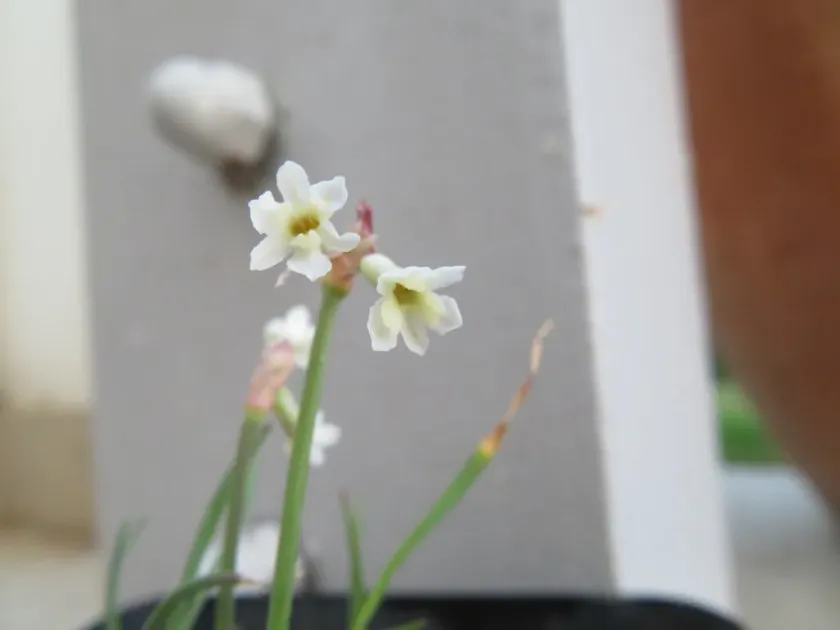
Description
Sowing dates
Tulbaghia cominsii is a botanical species belonging to the Amaryllidaceae family. Propagation is usually initiated by sowing seeds in a controlled environment during late winter.
The seeds require a well-draining, nutrient-rich potting medium to facilitate early root development and uniform germination under stable temperatures.
Light is crucial for seedlings; therefore, supplemental lighting or a sunny windowsill is recommended until the plants are strong enough for transplanting.
Seedlings should be thinned or transplanted into individual containers once they develop their first set of true leaves to ensure vigorous growth.
Vegetative propagation by dividing established rhizomes is also highly effective and is typically performed during the dormant season to ensure plant health.
Growing requirements
This species thrives in full sun, which is essential for maintaining its robust structure and encouraging consistent flowering throughout the summer.
Well-drained soil with a slightly alkaline to neutral pH level is ideal to prevent root rot, as the plant is highly susceptible to waterlogged conditions.
Moderate moisture levels should be maintained during the active growing season, with careful observation to allow the soil to dry slightly between waterings.
Regular fertilization with a balanced liquid fertilizer promotes healthier foliage and improves the overall resilience of the plant against environmental stressors.
Protection from extreme frost is necessary in colder climates, as the plant may suffer damage if temperatures drop significantly below freezing for long periods.
Main diseases and pests
Fungal diseases are the primary concern for this crop, especially in humid conditions where air circulation is poor, potentially leading to leaf spots.
Pests such as spider mites and thrips may infiltrate the crop, leading to visible damage on foliage and reducing the photosynthetic capacity of the plant.
Root rot caused by overwatering or poor drainage is a common issue that can be mitigated by ensuring proper soil structure and strict irrigation management.
Slugs and snails can cause significant damage to young plants, particularly in wet spring weather, requiring protective barriers or baits for control.
Monitoring the plants weekly for early signs of infection or infestation is recommended to take timely action before the health of the entire crop is impacted.
Harvesting
The entire plant, including leaves and flowers, possesses a distinct garlic-like aroma, making it a valuable culinary herb in various ethnic cuisines.
Harvesting should be done by carefully cutting individual leaves from the base, ensuring that the central growing point remains intact for future production.
Flowers are harvested when fully open to capture the best aromatic profile, often used as an edible garnish for salads or savory dishes.
Post-harvest handling requires quick cooling and moisture preservation to maintain the intense flavor profile that is characteristic of the Tulbaghia genus.
Continuous harvesting promotes rejuvenation of the plant, as it stimulates the growth of new leaves, thus increasing the total seasonal yield of the crop.