
Transcaucasian snowdrop
Galanthus transcaucasicus
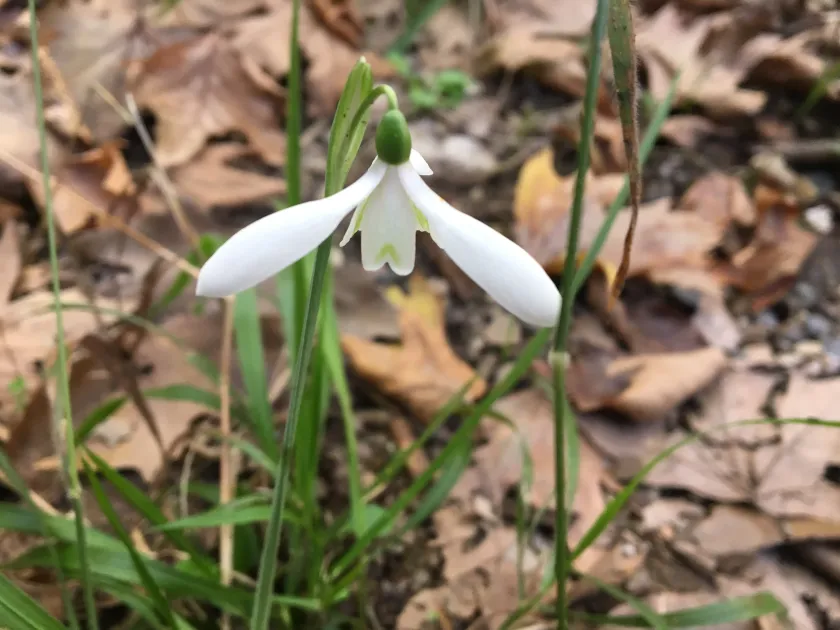
Description
Sowing dates
Planting of Transcaucasian snowdrop bulbs is best performed in the autumn season, between late August and October, depending on the local climate zone.
It is essential to plant the bulbs before the ground freezes, allowing them sufficient time to establish a strong root system before the winter dormant phase.
Spring planting is highly discouraged because it disrupts the growth cycle and often leads to poor bloom performance in the first year of cultivation.
The planting depth should be approximately three times the diameter of the bulb, typically ranging from 5 to 10 centimeters deep in the soil.
Spacing between bulbs should be kept at 7 to 10 centimeters to ensure healthy development and to prevent competition for soil nutrients.
Growing requirements
The Transcaucasian snowdrop is a member of the Amaryllidaceae family, native to the Caucasus region and specialized in early spring blooming.
This species requires well-drained, fertile soil rich in organic matter to mimic the natural forest floor conditions from which it originates.
It thrives in locations with partial shade, particularly beneath deciduous trees that provide light during the early spring before their leaves fully emerge.
Watering management is critical; while moisture is needed during active growth, the soil must be allowed to dry out significantly during the summer dormancy.
- High permeability of soil to prevent water stagnation.
- Regular soil enrichment with compost or leaf mold.
- Protection from intense direct summer sunlight.
Main diseases and pests
Rodents are the most significant pests for these bulbs, as they frequently consume stored energy reserves during the late winter and early spring months.
Fungal diseases, including various forms of gray mold, often manifest when environmental conditions are excessively humid and lack sufficient air circulation.
Root rot is a common physiological issue caused by poor drainage, which can permanently damage the bulb structure if not corrected early.
Parasitic nematodes represent another major threat, leading to deformed leaf growth and premature yellowing of the plant foliage.
Integrated pest management, including the use of fungicides and proper site selection, is essential for maintaining the health of the bulb collection.
Harvesting
Seeds can be harvested once the seed capsules have fully matured and turned brown, usually occurring in late spring after the petals have fallen.
Dividing the bulb clumps should only be carried out when the foliage has completely died back and yellowed, signaling the start of the dormancy phase.
After excavation, bulbs should be gently cleaned and stored in a cool, dark, and well-ventilated environment to prevent fungal growth.
Using breathable containers such as mesh bags or boxes with dry peat moss is highly recommended for storing bulbs until the next planting cycle.
Proper harvest and storage techniques are vital to ensure the longevity of the bulbs and the consistent quality of future flowering seasons.