
Brunsvigia
Brunsvigia
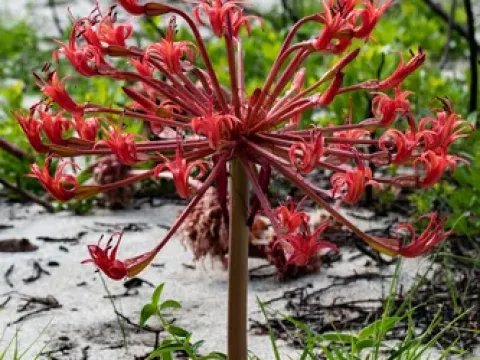
Brunsvigia is a genus of perennial bulbous plants belonging to the Amaryllidaceae family. Originating from the arid regions of Southern Africa, these plants have evolved to thrive in environments with distinct wet and dry seasons.
What the section contains


Brunsvigia
Cultivation requires full sun exposure to ensure proper development of the massive bulbs. Since they are tender perennials, they are mostly grown in containers or greenhouses in temperate climates to avoid exposure to freezing temperatures.
The soil must be extremely well-draining, ideally a gritty or sandy mix that prevents water accumulation around the bulb neck. Poor drainage will inevitably lead to bulb failure and rot during the dormant phase.
Watering needs change drastically throughout the year. During the active growth period, consistent but moderate watering is necessary, while the dormant period requires a completely dry environment to mimic the arid natural climate.
Propagation is typically done by removing offsets from the parent bulb during the dormant season. Growing from seeds is also possible, although it requires patience as maturity takes several years to reach the flowering stage.
Basal rot is the most significant threat to Brunsvigia. This disease is almost always linked to moisture management issues, specifically waterlogged soil or humidity levels that remain too high for the bulb.
Pests such as mealybugs and aphids can cause stress to the plant, weakening its growth. Early detection through regular monitoring of leaf bases and foliage is essential for effective management.
Applying systemic insecticides should be handled carefully to avoid damaging the plant's tissues. Using neem oil or specialized horticultural soaps is often a safer alternative for minor infestations.
Mechanical damage to the bulb during repotting can invite fungal pathogens. It is recommended to treat any wounds with sulfur powder or similar fungicides to promote quick healing before replanting.
Good air circulation is vital, especially when growing in greenhouses or indoor environments, to discourage fungal spores and maintain a healthy microclimate for the bulbs.