
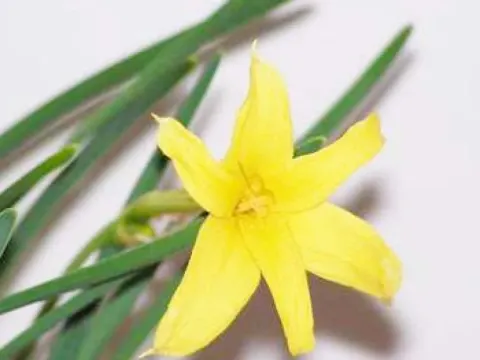
Chlidanthus
Chlidanthus
Chlidanthus is a heat-loving bulbous plant that requires careful timing for outdoor planting. Bulbs should only be set into the ground once the soil has thoroughly warmed up, which typically occurs in late spring when the risk of frost has completely passed.
What the section contains

Chlidanthus
The planting depth should be approximately 10–15 centimeters, depending on the size of the bulb and the texture of the soil. It is crucial to maintain a distance of at least 20 centimeters between individual plants to ensure proper air circulation and adequate room for foliage development.
In colder regions, gardeners often use the method of pre-sprouting bulbs in pots starting in March. This process allows the plant to adapt and begin its growth cycle indoors, ensuring a stronger start once moved to a permanent location in the flower bed.
Given the tropical origins of the species, Chlidanthus cannot survive winters in the ground in temperate climates. Therefore, the growth season is strictly limited to the frost-free period, after which the bulbs must be lifted and stored for the winter.
Selecting the right spot is essential for the plant's success. Choose a site that receives direct sunlight for the majority of the day, as any significant shade can lead to leggy growth and negatively impact the intensity and duration of flowering.
The primary requirements for growing Chlidanthus include plenty of direct sunlight and a light, well-draining soil medium. The plant is highly sensitive to waterlogged conditions, making it unsuitable for heavy clay soils without significant amendment.
Drainage is a critical factor for the long-term health of the bulbs. If the site has dense soil, it is highly recommended to incorporate sand or fine gravel into the planting hole to improve water evacuation and prevent root rot.
Watering should be moderate and consistent throughout the active growing phase. The soil should be kept slightly moist but allowed to dry out slightly between waterings to ensure adequate oxygen reaches the roots and to prevent fungal issues.
The plant responds well to balanced fertilization during its active growth period, particularly when it begins to form flower buds. Providing a steady supply of nutrients helps support vibrant and prolonged flowering throughout the summer season.
Temperature regulation is vital for the development of Chlidanthus, as it is native to the warmer regions of South America. It thrives best in temperatures between 20–25 degrees Celsius, and prolonged cold snaps may significantly hinder its overall growth.
The most significant threat to Chlidanthus is basal rot, often caused by overwatering or poor soil drainage. Once this fungal infection sets in, the bulb softens and decays, making it impossible to store for the following season.
Common pests, such as onion flies, can cause damage to the underground parts of the plant. Applying preventative measures, such as soil treatment with appropriate insecticides before planting, can significantly reduce the risk of infestation.
Thrips and spider mites may occasionally affect the plant during hot, dry weather by feeding on the sap of the foliage. Regular monitoring of the leaves allows for early detection and the timely application of control measures if necessary.
Slugs and snails can damage emerging shoots in the spring, especially in damp environments. Implementing barrier methods or using organic deterrents around the planting site can help protect the plant during its most vulnerable stage of development.
Improper winter storage, characterized by high humidity and poor ventilation, is a common cause of mold growth on the bulbs. Conducting periodic inspections of stored bulbs is essential to remove any damaged ones and prevent the spread of disease.
The harvest of Chlidanthus bulbs occurs in autumn, once the foliage has naturally turned yellow and begun to wither. This stage indicates the end of the vegetative cycle and that the bulb has successfully entered dormancy.
When lifting the bulbs from the ground, use a garden fork with caution to avoid mechanical injury to the outer layers. Any physical damage can create an entry point for pathogens, which may compromise the storage quality of the plant.
Once harvested, clean the soil from the bulbs and allow them to dry in a well-ventilated, shaded area. Proper drying is crucial to ensure that excess moisture is removed, which significantly reduces the risk of fungal issues during storage.
The bulbs should be stored in a cool, dry place at temperatures ranging from 10–15 degrees Celsius. Using breathable containers, such as paper bags or crates filled with dry peat, helps maintain the ideal environment throughout the winter months.
Effective winter management is the key to ensuring a high success rate for the following season. By following these storage protocols, you can maintain the vitality of your Chlidanthus bulbs, ensuring they return to bloom year after year.