
Brunsvigia namaquana
Brunsvigia namaquana
Description
Growing requirements
Brunsvigia namaquana is a rare perennial bulbous plant belonging to the Amaryllidaceae family. Native to the arid regions of Namaqualand in South Africa and Namibia, this species has evolved to thrive in specialized desert environments characterized by winter rainfall patterns.
Successful cultivation requires extremely well-draining soil, typically a sandy or grit-based mix. Because the bulb is highly sensitive to moisture, providing a porous medium is the most critical factor in preventing root and bulb rot during the dormant or growing phases.
The plant strictly adheres to a Mediterranean-style cycle: it requires moderate temperatures and consistent moisture during the winter growing season, followed by a complete dry rest during the hot summer months to prevent premature decay.
Ample sunlight is essential for the healthy development of this species. In controlled environments, growers must ensure maximum sun exposure to mimic the arid conditions of its natural habitat, which is necessary for the production of its spectacular umbel-shaped inflorescence.
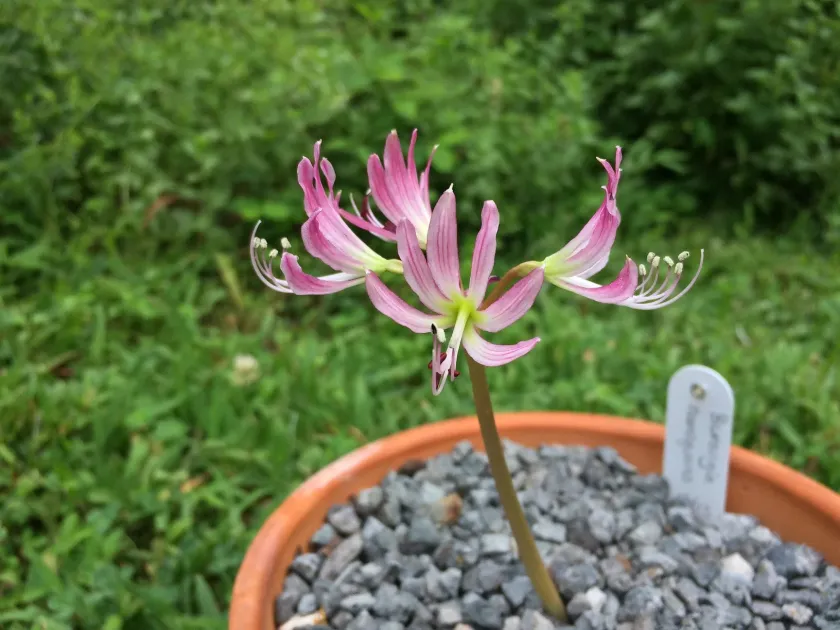
Botanically, Brunsvigia namaquana is characterized by a large, water-storing bulb and leathery, tongue-shaped leaves. The flowering stage is particularly impressive, as the plant produces a massive, rounded cluster of vibrant, often red or pink, tubular flowers on a sturdy stalk.
Main diseases and pests
Fungal infections, primarily root rot caused by poor soil drainage and excessive watering, remain the primary threat to the health of the bulb. Maintaining a strict irrigation schedule is the most effective method for disease prevention.
Pests such as mealybugs and bulb mites can pose a significant risk, particularly when plants are kept in greenhouse conditions. Growers should monitor for early signs of infestation and utilize appropriate horticultural treatments to ensure the longevity of the collection.