
Brunsvigia josephinae
Brunsvigia josephinae
Description
Growing requirements
Brunsvigia josephinae is a spectacular bulbous perennial belonging to the Amaryllidaceae family. Originating from the diverse habitats of South Africa, this plant is well-adapted to rocky landscapes and areas with distinct seasonal water availability.
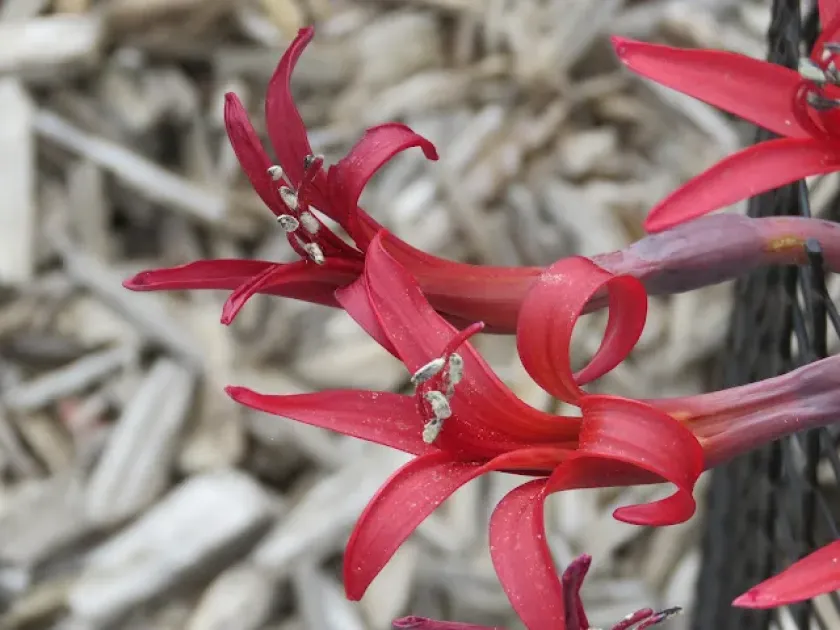
The botanical structure of this species includes a massive, partially exposed bulb. The leaves are typically strap-shaped, leathery, and appear after the impressive flowering cycle, which displays a large, globe-shaped umbel of deep-red flowers.
For successful cultivation, the plant requires a fast-draining, gritty soil mix that mimics its natural stony habitat. Over-watering is the most common cause of failure, as the bulbs are highly susceptible to rot if left in saturated soil.
Light intensity is a critical factor; the plant thrives in full sun, which is necessary to trigger the complex flowering process. Without adequate exposure to direct sunlight throughout the year, the bulbs will remain vegetative and fail to bloom.
The climate requirements involve a warm, dry season for dormancy and a period of growth that should be supported by controlled watering. In many regions, this plant is best managed in pots that can be moved indoors during colder winter months.
Main diseases and pests
Fungal pathogens are the primary threat, particularly bulb rot and basal plate rot. These diseases thrive in environments with poor air circulation and excessive substrate moisture, necessitating vigilant watering practices.
Pests such as mealybugs and scale insects can easily infest the dense leaf bases. Regular inspection is essential to ensure that any pest population is controlled before it causes significant damage to the plant's vascular system.
Bulb mites may also cause invisible damage, weakening the plant from within. Using sanitized substrates when potting or repotting is an effective preventive measure against various soil-borne threats.
It is vital to keep the plant's crown dry and free from debris. Rotting plant matter trapped between leaf bases can become a breeding ground for bacteria and mold, potentially killing the bulb.
Applying a preventative fungicide during the transition from dormancy to active growth can help protect the plant during its most vulnerable stage of development.