
Canary Pancratium
Pancratium canariense
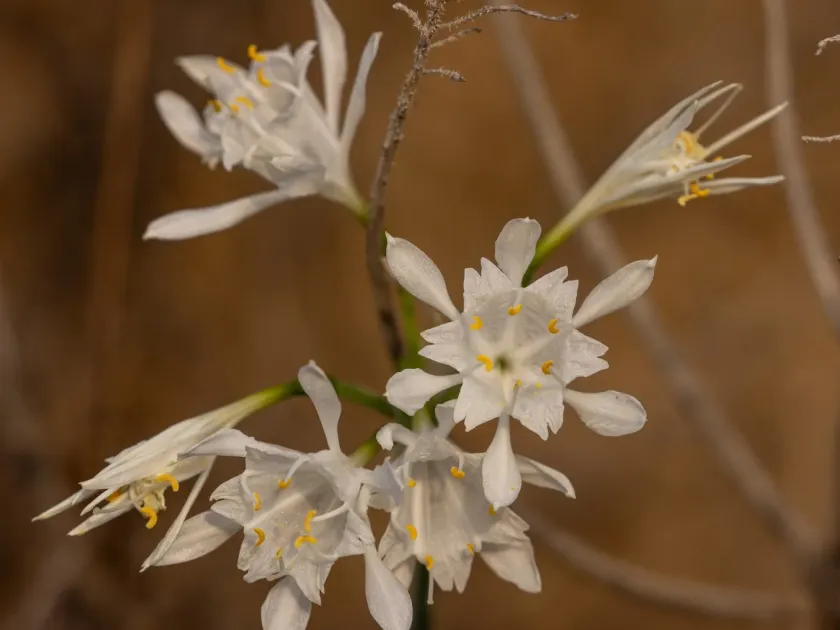
Description
Sowing dates
Propagation of the Canary Pancratium is primarily achieved through the division of offsets or bulbils that grow around the mother bulb. The most favorable time for this procedure is immediately after the blooming cycle concludes.
When planting, bulbs should be placed in a well-draining, gritty soil mix to emulate their natural habitat in the Canary Islands. The planting depth should be roughly twice the height of the bulb, ensuring the base sits firmly in the substrate.
Seed propagation is also possible but requires fresh seeds, as they quickly lose viability. They should be sown in a warm, moist, and well-aerated medium with temperatures maintained around 22 degrees Celsius.
In regions with cold winters, growing this plant in pots is highly recommended. This allows for controlled environmental conditions and protects the sensitive bulbs from frost damage and winter waterlogging.
Proper container preparation involves adding a layer of coarse drainage material at the bottom. This ensures that excess moisture does not accumulate around the bulb, preventing the most common cause of plant loss.
Growing requirements
As a member of the Amaryllidaceae family, the Canary Pancratium requires bright, indirect sunlight to thrive. While it loves the sun, intense midday heat can sometimes scorch the leaves if the plant is not properly acclimated.
The soil must be light and sandy, with excellent drainage properties. A mix of peat, coarse sand, and perlite works effectively to prevent compaction and ensure that roots can breathe freely.
Watering should be balanced: generous during the active growing season and significantly reduced during the winter dormancy period. The soil must be allowed to dry out slightly between waterings to maintain root health.
The species prefers stable, moderate temperatures. Exposure to drafts or drastic temperature drops should be avoided to prevent physiological stress, which could lead to stunted growth or poor flowering performance.
Fertilization is most effective during the growing phase using a balanced fertilizer. High nitrogen levels should be avoided to prevent excessive foliage development at the expense of floral production.
Main diseases and pests
The primary threats to this plant are fungal pathogens, specifically those causing bulb rot and fusarium wilt. These conditions thrive in excessively moist and stagnant environments, making drainage management crucial.
Pests such as mealybugs and spider mites are common in indoor or greenhouse settings. They tend to settle in leaf axils or on the undersides of leaves, draining vital fluids and reducing the plant's overall vigor.
Early detection is key to pest management. Routine inspections and cleaning of the foliage with a mild soap solution can effectively keep populations under control before they become a major infestation.
Disease prevention involves using sterile soil for potting and ensuring adequate air circulation. If rot is detected, immediate removal of the affected tissue and application of a fungicide are necessary to save the bulb.
Keeping the crown of the bulb clean and free of water prevents the colonization of pathogens. Providing proper spacing between plants also helps minimize the risk of spreading infections.
Harvesting
Bulb harvesting takes place during the dormancy phase when the foliage has turned yellow and withered. This period indicates that the plant has stored energy, making it the ideal time for lifting and dividing.
After lifting, the bulbs should be carefully cleaned of soil and debris, then cured in a cool, dark, and well-ventilated area for several days. Proper curing helps seal any minor wounds and prevents rotting during storage.
Store the harvested bulbs in dry peat or sand to maintain optimal humidity levels. Keeping the storage temperature consistent, ideally between 10 and 15 degrees Celsius, will prevent premature sprouting.
Periodic monitoring during storage allows the grower to discard any bulbs showing signs of decay, thus protecting the health of the entire collection for the upcoming growing season.
Successful harvesting results in the accumulation of healthy offsets that, when properly cared for, will continue to expand the population and ensure consistent flowering in subsequent years.