
Cantabrian daffodil
Narcissus cantabricus
Description
Growing requirements
The Cantabrian daffodil (Narcissus cantabricus) belongs to the Amaryllidaceae family and originates from the mountainous regions of Spain and North Africa. It is a bulbous perennial valued for its unique, delicate appearance.
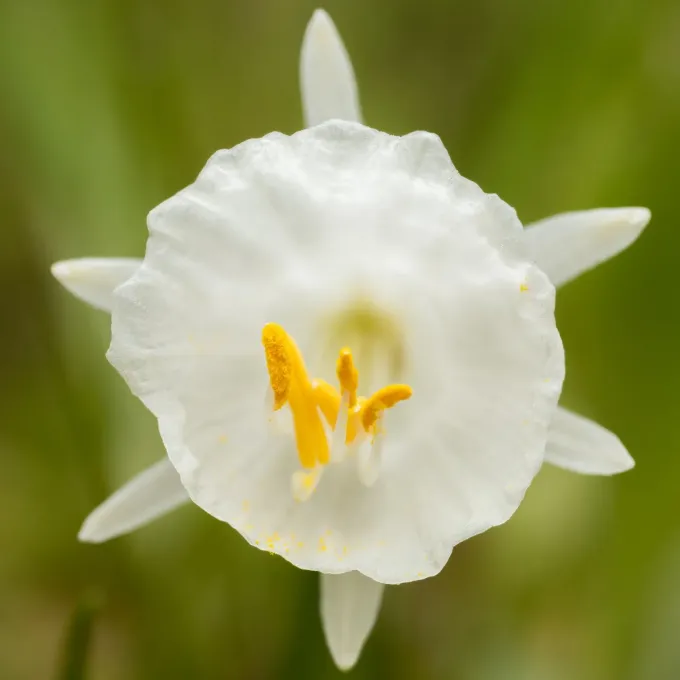
Botanically, this species is defined by its slender, grass-like leaves and distinctively large, widely flared, paper-white coronas. The flowers bloom very early in the season, often appearing before the last frosts have passed.
To cultivate this plant successfully, one must replicate its natural habitat. A free-draining, stony, or sandy soil is essential, as the bulbs are highly susceptible to rot if kept in soggy conditions during the winter months.
Climatic requirements focus on high light exposure and protection from excessive winter rain. While it can survive in mild climates, many growers prefer using cold frames or pots to better manage soil moisture and temperature stability.
The plant is used primarily in rock gardens and alpine houses. Its rarity and specific needs make it a prized specimen for collectors interested in Narcissus species that thrive in poor, rocky substrates.
Main diseases and pests
The primary threat to the Cantabrian daffodil is fungal rot, which typically occurs when soil drainage is insufficient. Keeping the bulbs cool and dry during their summer dormant phase is a critical step in disease prevention.
Pests such as the narcissus bulb fly pose a significant risk to the plant. Larvae burrow into the bulbs, causing rapid collapse of the plant foliage, which often leads to the death of the bulb itself.
Effective management includes inspecting all bulbs for soft spots before planting and ensuring proper spacing to improve air circulation. Clean cultivation techniques help maintain a healthy, pest-free environment for the bulbs.
If infestations occur, targeted insecticidal treatments are necessary. However, gardeners focus more on preventative cultural practices, such as maintaining a strictly controlled environment in alpine houses to limit pest access.
By monitoring the plants during the growing season and ensuring strict dry-storage conditions during dormancy, the risk of loss is greatly minimized. Successful cultivation relies on replicating the mountain conditions of its native range.