
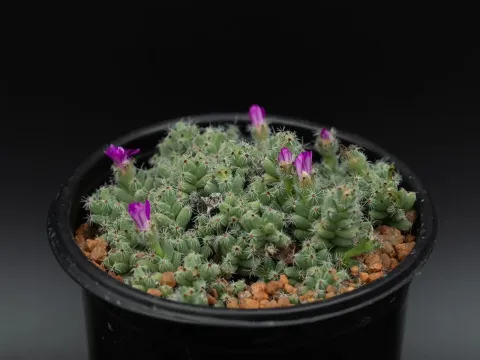
Trichodiadema
Trichodiadema
Trichodiadema is a genus of perennial succulents belonging to the Aizoaceae family. Originating from the arid landscapes of South Africa, these plants have evolved specialized root systems to store water during periods of extreme drought.
What the section contains


Trichodiadema
Botanically, they are characterized by their small shrubby habit and succulent leaves. Many species feature distinct bristles at the tips of their leaves, which resemble a small crown or diadem, providing the genus with its unique name.
These plants require high light levels to thrive. In a domestic setting, providing at least six hours of direct sunlight is essential for maintaining their compact growth habit and preventing etiolation, where the plant stretches out looking for light.
The potting medium must be highly porous and inorganic. A standard mixture should include high amounts of coarse sand, perlite, and pumice to ensure rapid water drainage, as these plants are highly sensitive to soggy soil conditions.
Temperature management is critical for the lifecycle of Trichodiadema. They require warm conditions during the growing season and a cooler, dry rest period during the winter months to mimic their natural habitat and encourage potential blooming.
The most common threat to this genus is root rot, typically caused by overwatering or inadequate soil drainage. Once rot sets in, it can quickly compromise the entire plant, making it difficult to save without propagation of healthy cuttings.
Spider mites are the most frequent pest encountered by growers. They thrive in dry, stagnant indoor air and can cause significant damage to the plant epidermis, leading to discolored, scarred leaves that may eventually drop.
Mealybugs can also infest Trichodiadema, hiding within the tight clusters of leaves. Infestations are often noticed by the presence of white, cotton-like masses, requiring immediate treatment with neem oil or systemic insecticides.
Lack of proper air circulation can lead to fungal infections, particularly during the winter dormancy period. Providing consistent ventilation is necessary to prevent these pathogens from establishing on the plant surface.
Environmental stress, such as sudden shifts in light or temperature, can further weaken the plant's resistance to pests. Maintaining a stable environment is the most effective way to ensure the long-term health and vitality of these succulents.