
Trichodiadema setuliferum
Trichodiadema setuliferum
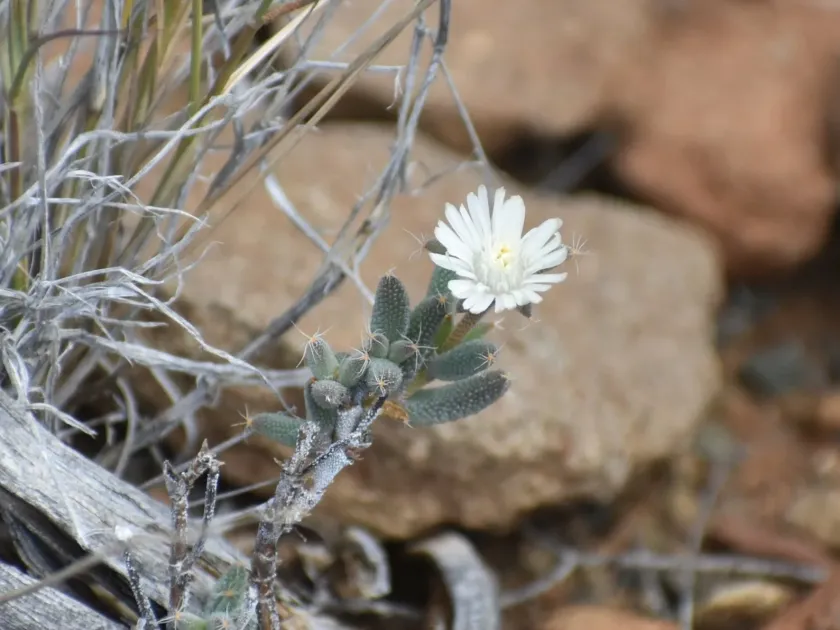
Description
Sowing dates
Propagation of this species is most commonly performed vegetatively through cuttings during the spring and summer months when the plant is in its active growth phase. Seed sowing is also possible, using a loose, well-draining substrate with a high sand content.
Successful germination requires stable temperatures between 20–25 degrees Celsius and high humidity within a mini-greenhouse environment. Seeds should be sown on the surface and lightly covered to ensure adequate light exposure for sprouting.
Once the first true leaves emerge, seedlings require gradual acclimatization to lower humidity levels to prevent fungal decay of delicate tissues. Pricking out is performed after the formation of 3–4 complete leaf pairs.
It is crucial to consider that this culture develops a caudex, so conditions favoring a strong root system must be prioritized early. Excessive moisture during the seedling stage is a critical risk factor for crop loss.
The optimal time for taking cuttings is late spring, when long daylight hours stimulate rapid rooting. Cuttings must be dried in the shade for several days until a callus forms before being placed into the rooting medium.
Growing requirements
Trichodiadema setuliferum belongs to the Aizoaceae family and is a perennial succulent native to the arid regions of Southern Africa. The plant is adapted to extreme environmental conditions, including prolonged droughts and intense solar radiation.
A primary requirement for the growing medium is high permeability, with a neutral to slightly acidic pH. Agricultural practices suggest using a mix of leaf mold, coarse sand, perlite, and fine expanded clay to prevent moisture retention.
This culture demands maximum light exposure; therefore, indoor cultivation requires positioning plants on south-facing windowsills. Insufficient lighting leads to etiolated stems and the loss of the plant's characteristic compact, ornamental shape.
Watering regimes should be strictly moderate, allowing the soil to dry out completely between applications. During the winter dormancy period, watering should be reduced to a minimum, while maintaining temperatures between 10–15 degrees Celsius.
The plant cannot tolerate standing water in trays, as this negatively impacts the root collar and can lead to caudex rot. It is recommended to use pots with large drainage holes and a layer of drainage material at the bottom.
Main diseases and pests
The most significant threat to the culture is root and stem rot caused by fungal pathogens under conditions of excessive moisture. The disease spreads rapidly during colder periods if the plant is overwatered.
Among pests, the mealybug causes the most damage by hiding in leaf axils and among the characteristic bristles on the tips of the shoots. Detection of the pest requires immediate treatment with systemic insecticides.
Spider mites can damage the plant's epidermis in conditions of stagnant air and low humidity. Regular ventilation and maintaining a strict agro-technical regime serve as effective preventative measures against such infestations.
Root mealybugs frequently infect the crop by hiding within the substrate, which is why periodic soil disinfection and inspection of the root system during repotting are recommended.
To combat pests and diseases, it is effective to use specialized fungicides and insecticides, strictly adhering to the dosage indicated by the manufacturer. Proactive plant inspections should be carried out at least once a week.