
Trianthema triquetra
Trianthema triquetra
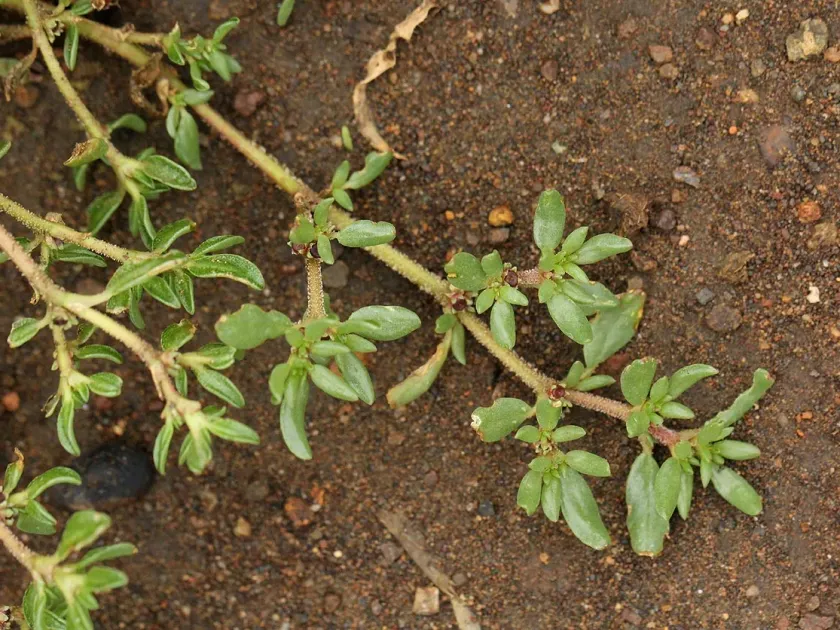
Description
Sowing dates
Sowing of Trianthema triquetra typically aligns with the onset of the rainy season in arid and semi-arid regions to ensure maximum germination success.
Seeds are small and should be sown at a shallow depth of approximately 1 to 2 centimeters to ensure they have enough energy to emerge through the soil surface.
Preparation of a fine, level seedbed is essential for successful establishment, as the seedlings are delicate during their initial growth phase.
Row planting with spacing of about 30 centimeters is recommended to facilitate proper air circulation and allow for necessary weed management activities.
Once established, the crop is highly efficient at self-seeding, which can be leveraged in low-input agricultural systems to maintain perennial cover.
Growing requirements
As a member of the Aizoaceae family, Trianthema triquetra is highly adapted to saline and poor-quality soils where other crops struggle to survive.
The plant demonstrates remarkable drought tolerance, making it an excellent candidate for agricultural land that experiences irregular or scarce rainfall.
It prefers well-drained, sandy or gravelly soils and is sensitive to prolonged waterlogging, which can cause significant damage to the root system.
Abundant sunlight is required for the plant to reach its full vegetative potential, as reduced light levels lead to etiolation and decreased biomass.
Temperature tolerance is high, allowing the plant to thrive in regions where daytime temperatures regularly exceed 35 degrees Celsius.
Yield
The primary agricultural use of Trianthema triquetra is as a forage crop, providing essential nutrients for livestock in harsh desert environments.
The biomass is appreciated for its ability to remain palatable and nutritious even during the peak of the dry season when other grasses have withered.
In various local traditions, the plant is also utilized as a vegetable, harvested for its succulent leaves which provide vitamins and minerals.
Productivity is variable and highly dependent on environmental moisture; however, the crop is known for rapid regrowth after even minor rainfall events.
Sustainable harvesting techniques, such as selective grazing or rotational mowing, can significantly extend the productive lifespan of the crop stand.
Main diseases and pests
Root rot, induced by fungal pathogens in overly moist or poorly drained soil, represents the most significant threat to the health of the plant.
Insects that consume foliage can impact biomass yield, though the plant's rapid growth rate often allows it to recover from minor pest damage.
Maintaining a balanced crop rotation is the best defense against soil-borne pathogens that might otherwise accumulate in the field over several years.
While the plant is generally competitive, early-season weed control is necessary to prevent competition for limited soil nutrients and moisture.
Regular field scouting is recommended to detect any signs of infestation or disease before they spread across the entire cultivation area.