
Trichodiadema peersii
Trichodiadema peersii
Description
Growing requirements
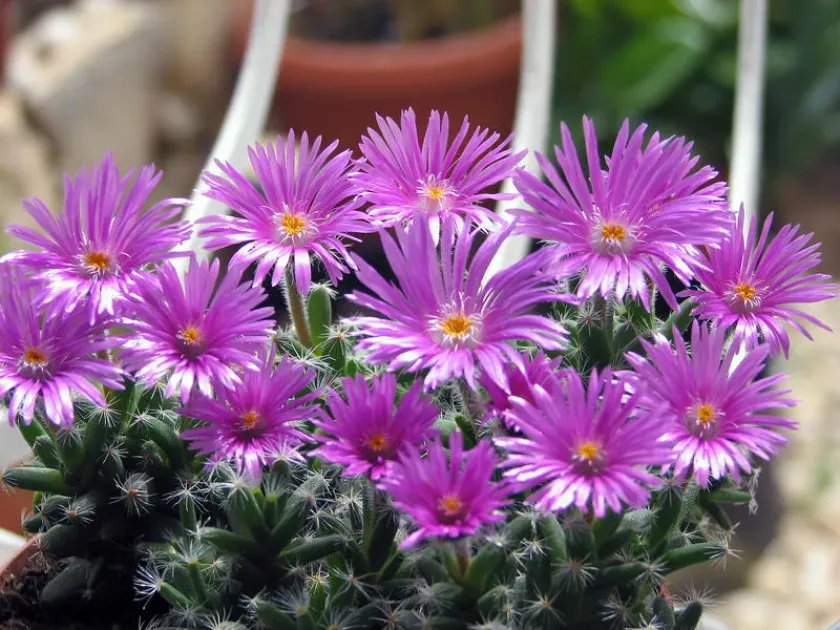
Trichodiadema peersii is a dwarf succulent species belonging to the Aizoaceae family. Native to the arid landscapes of South Africa, it has evolved to thrive in rocky environments with limited water availability.
The plant is characterized by a significant caudex, which acts as a water storage organ during drought periods. Its cylindrical leaves are tipped with a cluster of stiff bristles, giving the plant its distinct "crowned" appearance.
Optimal growth requires bright, direct sunlight to maintain the compact form of the plant. Without sufficient light, the plant will become etiolated and lose its architectural integrity.
The substrate must be highly porous and inorganic. A professional mix for this species typically includes coarse sand, pumice, and a small amount of lean soil, ensuring rapid water drainage.
Watering should be performed cautiously, allowing the soil to dry out completely between waterings. Overwatering is the most common cause of plant failure, particularly during the cooler winter months.
Main diseases and pests
Root rot is the primary physiological disorder affecting this species, often triggered by waterlogged conditions and poor aeration in the root zone.
Mealybugs are the most common insect pests, often sheltering in the crevices between the leaves and their bristle tips. Early detection is crucial for effective control.
Spider mites can also be problematic if the ambient air remains too dry for extended periods, leading to stunted growth and damage to the succulent epidermis.
Good cultural hygiene, such as avoiding debris accumulation around the plant base, is essential for maintaining plant health and preventing fungal growth.
If chemical treatment is necessary, systemic insecticides applied to the soil or foliage can effectively manage infestations of sucking insects.