
Conicosia pugioniformis
Conicosia pugioniformis
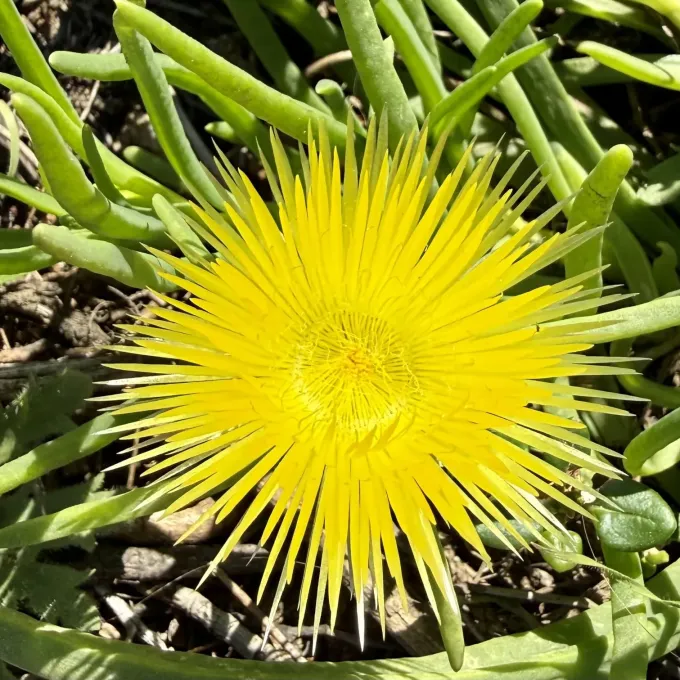
Description
Sowing dates
Conicosia pugioniformis is propagated through seeds, typically sown during the spring months. The ideal period for sowing is between late March and April, ensuring that the increasing day length supports the initial growth phase of the seedlings.
The medium for sowing should be highly porous, consisting of a mix of coarse sand and inorganic grit. Seeds are placed on the surface and covered with a fine layer of sand, which prevents moisture from accumulating around the seeds and causing decay.
Germination requires a temperature range between 20°C and 25°C. Keeping the sowing substrate slightly moist is essential; however, the use of a spray bottle is recommended to avoid washing away the seeds or creating a waterlogged environment.
Seedlings should be pricked out into individual pots once the first true leaves have fully developed. This process requires significant care, as the root system of Conicosia is delicate and sensitive to rough handling or rapid changes in soil structure.
Acclimatization is a crucial final step before moving the young plants to their permanent location. Gradually exposing the seedlings to outdoor light and air conditions over several weeks will significantly improve their resilience and long-term survival.
Growing requirements
As a member of the Aizoaceae family originating from South Africa, this plant thrives in arid, sun-drenched environments. Full sun is mandatory for maintaining the structural integrity of the leaves and encouraging the plant's natural bloom cycle.
The soil requirements are strict: the plant needs a well-draining, mineral-based substrate. Standard potting soil is unsuitable unless amended with large amounts of perlite or pumice to mimic the native gritty, nutrient-poor conditions.
Climatic adaptability is low, as the plant is not frost-tolerant. It is best suited for greenhouse cultivation or as a summer container plant, provided it is moved indoors or to a protected, frost-free location during the colder winter months.
Watering protocols must follow a dry-to-wet cycle. The soil should be allowed to dry completely between waterings, and in the dormant winter phase, moisture should be limited to the absolute minimum to prevent internal tissue damage and root rot.
Good ventilation is key to success in indoor or greenhouse settings. Airflow helps evaporate excess surface moisture and lowers the humidity levels around the foliage, which is essential to prevent the onset of fungal issues in succulent collections.
Main diseases and pests
The most significant threat to Conicosia pugioniformis is root and stem rot caused by poor drainage. Excess water retained in the soil prevents the roots from breathing and quickly encourages pathogenic fungi that can be lethal to the plant.
Mealybugs are the most common pests found on this species. They hide in the deep crevices of the leaves, where they feed on plant sap, leading to stunted growth, yellowing foliage, and the introduction of secondary viral or bacterial infections.
Spider mites may infest the plants if the ambient environment is excessively dry and lacks air circulation. These pests create fine webs between leaves and cause stippling damage, which can lead to permanent scarring of the succulent's surface.
Gray mold, also known as Botrytis, can occur when high humidity combines with stagnant air. This fungal disease presents as a fuzzy gray growth on leaves and stems and necessitates the removal of infected parts to save the rest of the plant.
Prevention is the best approach to maintaining a healthy Conicosia population. Regular inspection, proper hygiene for garden tools, and ensuring a dry, well-ventilated environment will keep these plants thriving for many years without the need for intensive chemical treatment.