
Cerochlamys trigona
Cerochlamys trigona
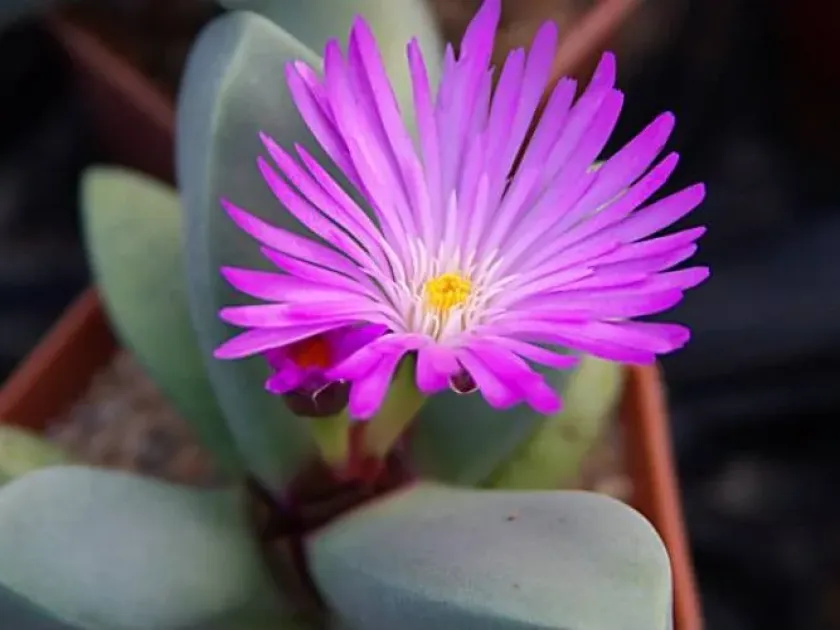
Description
Growing requirements
Cerochlamys trigona is a perennial succulent plant belonging to the Aizoaceae family, native to the arid landscapes of South Africa. This species is highly specialized for survival in desert-like conditions, featuring characteristic triangular, fleshy leaves that store water to sustain the plant during prolonged dry spells.
In agricultural and horticultural practices, this plant is treated as a low-maintenance specimen suitable for xeriscaping or container cultivation. It exhibits slow growth and maintains a compact rosette habit, which makes it aesthetically valuable for specialized succulent collections.
The primary soil requirement is an extremely well-draining substrate, typically composed of a high percentage of pumice, perlite, or coarse sand. The plant thrives in environments that mimic its natural habitat, requiring high exposure to direct sunlight for optimal growth and coloration.
Temperature management is critical: the plant performs best in warm conditions between +20°C and +30°C. During the winter dormancy period, watering must be significantly restricted, and the plant should be kept in a cooler, dry environment to prevent etiolation and decay.
The cultural use of Cerochlamys trigona is primarily decorative. Due to its physiological resilience, it is often studied as a model for water-use efficiency in arid-climate vegetation, proving its value in sustainable landscaping projects.
Main diseases and pests
The most significant threat to Cerochlamys trigona is root rot, which typically stems from overwatering or inadequate soil porosity. Once the succulent tissue begins to rot, the plant is difficult to save, making preventive moisture control the most vital management strategy.
Common pests include mealybugs, which thrive in the crevices between the thick leaves. These insects weaken the plant by extracting sap and can facilitate the spread of secondary viral or fungal infections if left untreated.
Spider mites can also be problematic during periods of low humidity. These pests are often difficult to detect until visible webbing appears, necessitating regular inspection of the base and heart of the rosettes.
Chemical control involving systemic insecticides is effective against sucking insects, though direct application should be monitored to avoid phytotoxicity on sensitive succulent leaves. Biological control methods are preferred in controlled greenhouse environments.
Preventive maintenance includes maintaining a clean growing area, utilizing sterile mineral substrates, and ensuring optimal ventilation. These steps are fundamental in preventing both the infestation of pests and the development of pathogenic fungi.